
This Crockpot Pepper Steak transforms simple, affordable ingredients into a restaurant-quality meal with minimal effort. Just 15 minutes of prep in the morning yields tender beef strips slow-cooked in a savory-sweet soy-ginger sauce with colorful bell peppers and onions, offering a complete, crowd-pleasing dinner that practically makes itself.
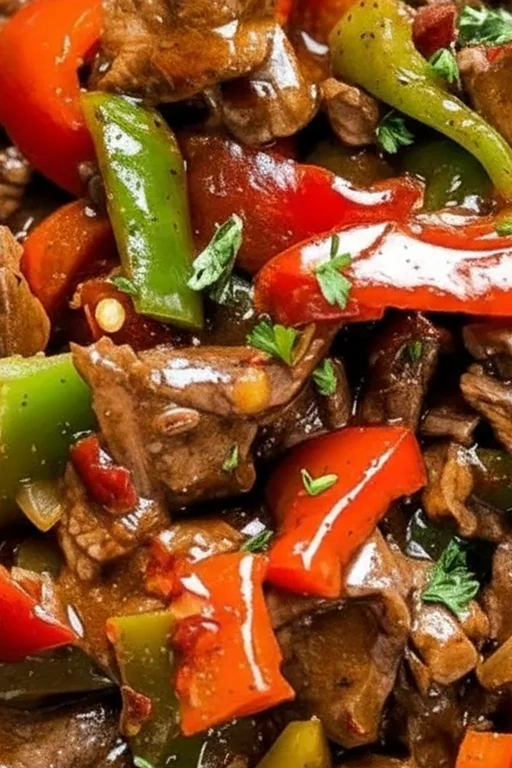
List of ingredients
- 2 lbs beef sirloin or flank steak, sliced thin against the grain
- 3 bell peppers, mixed colors, cut into 1/2-inch strips
- 1 large onion, sliced into thin half-moons
- 4 cloves garlic, minced
- 14.5 oz canned diced tomatoes, drained
- 1/2 cup beef broth
- 1/4 cup soy sauce
- 2 tbsp brown sugar
- 2 tbsp Worcestershire sauce
- 1 tbsp fresh ginger, grated
- 2 tbsp cornstarch mixed with 2 tbsp cold water
- Salt and pepper to taste
- 2 cups white rice, uncooked
- Green onions, thinly sliced for garnish
step-by-step instructions
- Step: Let beef sit at room temperature for 10 minutes, then freeze for 15 minutes. Slice against the grain into 1/4-inch strips and season lightly with salt and pepper.
- Step: Remove seeds and ribs from bell peppers and slice into strips. Peel and slice the onion into thin half-moons and mince the garlic.
- Step: In a bowl, whisk together beef broth, soy sauce, brown sugar, Worcestershire sauce, grated ginger, and minced garlic until sugar dissolves.
- Step: Lightly grease the slow cooker, then layer half the onions, beef strips, remaining onions, bell peppers, and drained tomatoes. Pour sauce evenly over the top.
- Step: Cover and cook on LOW for 6–8 hours or HIGH for 3–4 hours.
- Step: 30 minutes before serving, stir in the cornstarch slurry. Cook on HIGH for 20–30 minutes until the sauce thickens.
- Step: Cook rice according to package directions and serve the pepper steak over rice, garnished with green onions.
Refining Your Slow Cooking Method
Achieving Maximum Meat Tenderness
To ensure your beef is consistently soft, always prioritize the direction of your slices. Cutting perpendicular to the muscle fibers shortens the proteins, which prevents the meat from becoming chewy during the long, low-heat cooking cycle. Additionally, firming the beef in the freezer for fifteen minutes allows for much cleaner, uniform strips that cook evenly throughout the pot.
Managing Vegetable Texture
If you prefer your peppers with a bit of bite, avoid cooking them for the entire duration of the cycle. You can place the onions and beef in early, then stir in the bell pepper strips during the final two to three hours of cooking. This prevents them from losing their vibrant color and structural integrity during the long braise.
Selecting the Best Cuts of Beef
While sirloin and flank are recommended for their balance of flavor and tenderness, you can successfully use tougher, more affordable cuts like bottom round or chuck roast in this recipe. Because the slow cooker uses moist, low-heat heat for several hours, these cuts break down effectively, turning into rich, succulent bites that absorb the soy and ginger sauce perfectly.
Flavor Balancing and Ingredient Adjustments
Controlling Sauce Consistency
The cornstarch slurry is the secret to moving from a thin broth to a decadent, glossy sauce. Always ensure the slurry is fully combined with cold water before adding it to the crockpot to avoid unsightly clumps. If you find your sauce is still too thin after adding the slurry, you can perform a second addition, but do so carefully to avoid an overly starchy or muted flavor profile.
Balancing Salt and Sweetness
Different brands of soy sauce and Worcestershire sauce have varying levels of salinity. Always taste your liquid base after whisking in the ginger and garlic, but before pouring it over the beef. If the mixture tastes too salty, add a half-teaspoon of brown sugar at a time until you reach your preferred balance between the savory umami of the soy and the sweet undertones of the molasses-rich sugar.
Using Aromatics Effectively
Fresh ginger and garlic provide the primary punch in this dish. If you only have access to dried or powdered versions, remember that their flavor is much more concentrated than fresh. As a general rule, use one-third of the amount of fresh aromatics listed if you are relying on ground spices to prevent the sauce from becoming overly bitter or dusty in texture.
Storage and Serving Best Practices
Maintaining Quality During Storage
This dish is an excellent candidate for meal prep because the proteins continue to marinate in the flavorful sauce while sitting in the refrigerator. When storing, ensure the beef is completely cooled before placing it in an airtight container to prevent excess condensation. This keeps the peppers from breaking down further and helps the beef stay moist for up to four days.
Gentle Reheating Techniques
When reheating leftovers, avoid the highest setting on your microwave, which can quickly toughen the beef strips. Instead, heat the portions at fifty percent power, stirring every minute to redistribute the heat and the sauce. If the sauce has thickened significantly in the cold fridge, add a tablespoon of water or broth before reheating to restore the proper silky consistency.
Creative Serving Variations
While white rice is the traditional pairing, this dish is versatile enough to serve in multiple ways. For a lower-carb alternative, serve the pepper steak over roasted cauliflower or zucchini noodles, which provide a neutral base that does not distract from the savory sauce. Alternatively, you can serve the beef in a hearty roll or on top of a baked potato, allowing the starch to soak up the sauce like a traditional gravy-style meal.
Common Queries Addressed
Can I prepare this dish without the canned tomatoes?
The tomatoes add a necessary acidity that cuts through the richness of the beef and soy sauce. If you prefer to omit them, you can achieve a similar acidic balance by adding a teaspoon of rice vinegar to your sauce mixture. This maintains the essential bright note that prevents the dish from feeling too heavy or one-dimensional.
Why is the sauce color sometimes lighter or darker?
The darkness of your final sauce depends heavily on the type of soy sauce used and the caramelization of the brown sugar. Darker, aged soy sauces will provide a much richer, deeper color compared to lighter varieties. Additionally, if you prefer a deeper, more robust flavor profile, you can increase the amount of Worcestershire sauce, which adds both color and a unique, fermented depth to the final gravy.
Is it necessary to grease the slow cooker insert?
While the liquids in this recipe generally prevent sticking, light greasing with a neutral oil provides an extra layer of protection. This is especially helpful during the final thickening stage when the cornstarch slurry makes the sauce denser and more prone to sticking at the edges of the pot. It also makes the final cleanup process significantly faster once the meal is served.
How do I handle leftover ginger?
Fresh ginger is a potent ingredient and you often won’t use the entire root for one batch. To store the remainder, wrap it tightly in plastic or a paper towel and keep it in the crisper drawer of your refrigerator, where it will remain fresh for several weeks. Alternatively, you can peel and freeze the entire root, allowing you to grate it directly from the freezer whenever you need it for future recipes.
Print
Crockpot Pepper Steak
- Total Time: 375 minutes
- Yield: 6 servings
- Diet: High Protein
Description
This Crockpot Pepper Steak transforms simple, affordable ingredients into a restaurant-quality meal with minimal effort. Just 15 minutes of prep in the morning yields tender beef strips slow-cooked in a savory-sweet soy-ginger sauce with colorful bell peppers and onions.
Ingredients
- 2 lbs beef sirloin or flank steak, sliced thin against the grain
- 3 bell peppers, mixed colors, cut into 1/2-inch strips
- 1 large onion, sliced into thin half-moons
- 4 cloves garlic, minced
- 14.5 oz canned diced tomatoes, drained
- 1/2 cup beef broth
- 1/4 cup soy sauce
- 2 tbsp brown sugar
- 2 tbsp Worcestershire sauce
- 1 tbsp fresh ginger, grated
- 2 tbsp cornstarch mixed with 2 tbsp cold water
- Salt and pepper to taste
- 2 cups white rice, uncooked
- Green onions, thinly sliced for garnish
Instructions
- Step: Let beef sit at room temperature for 10 minutes, then freeze for 15 minutes. Slice against the grain into 1/4-inch strips and season lightly with salt and pepper.
- Step: Remove seeds and ribs from bell peppers and slice into strips. Peel and slice the onion into thin half-moons and mince the garlic.
- Step: In a bowl, whisk together beef broth, soy sauce, brown sugar, Worcestershire sauce, grated ginger, and minced garlic until sugar dissolves.
- Step: Lightly grease the slow cooker, then layer half the onions, beef strips, remaining onions, bell peppers, and drained tomatoes. Pour sauce evenly over the top.
- Step: Cover and cook on LOW for 6–8 hours or HIGH for 3–4 hours.
- Step: 30 minutes before serving, stir in the cornstarch slurry. Cook on HIGH for 20–30 minutes until the sauce thickens.
- Step: Cook rice according to package directions and serve the pepper steak over rice, garnished with green onions.
Notes
Slice beef against the grain for maximum tenderness. Use the partial freeze trick for thinner cuts. Do not lift the lid during the slow cooking process. If you prefer crispier peppers, add them during the last 2-3 hours of cooking. Author: Lora Marie Bennett.
- Prep Time: 15 minutes
- Cook Time: 360 minutes
- Category: Main Course
- Method: Slow Cooking
- Cuisine: Asian
Nutrition
- Serving Size: 1 serving
- Calories: 385 kcal
- Sugar: 10 g
- Sodium: 820 mg
- Fat: 18 g
- Saturated Fat: 6 g
- Unsaturated Fat: 11 g
- Trans Fat: 0 g
- Carbohydrates: 18 g
- Fiber: 3 g
- Protein: 36 g
- Cholesterol: 95 mg