
This rich and creamy slow cooker chicken curry combines aromatic spices with smooth coconut milk for a comforting meal. It is an ideal set-it-and-forget-it recipe that delivers deep flavor with minimal active effort.
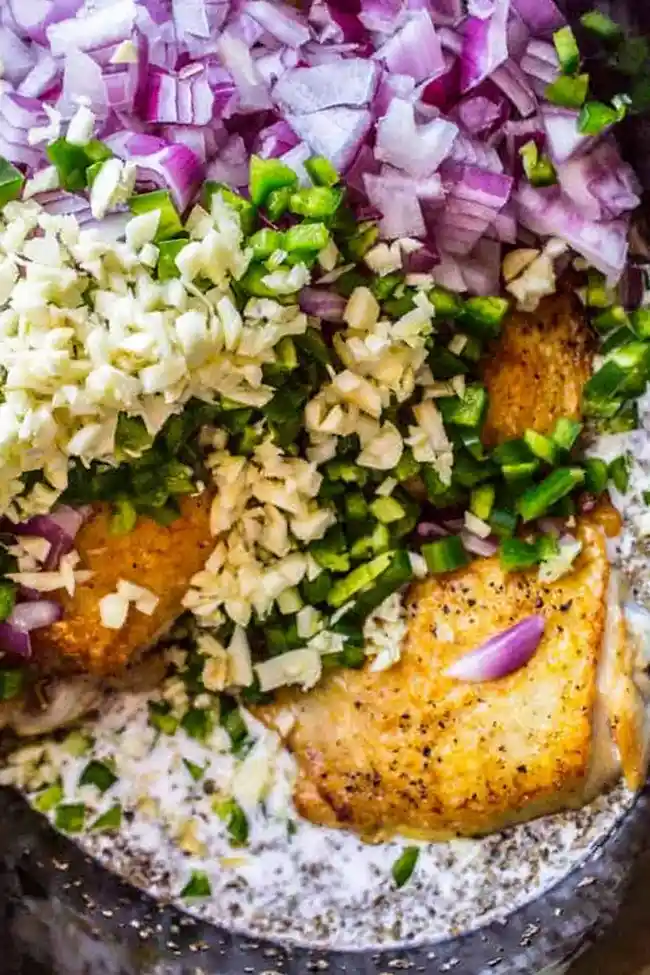
List of ingredients
- 6 bone-in skin-on chicken thighs, skin removed (about 2.5 pounds) – provides the best flavor and tenderness.
- Salt and pepper – for basic seasoning.
- 1 teaspoon oil – used for browning the meat.
- 2 13.5-oz cans coconut milk – creates the creamy sauce base; lite coconut milk also works.
- 2 tablespoons dried basil leaves – adds a subtle herbal dimension.
- 2 teaspoons salt – enhances the spice profiles.
- 3/4 teaspoon pepper – provides a mild back-end heat.
- 1 1/2 tablespoons yellow curry powder – the primary source of aromatic flavor.
- 1/2 to 3/4 teaspoon chili powder – adjusts the heat level to your preference.
- 1 large red onion, chopped – adds sweetness and texture.
- 8 cloves garlic, minced – provides a pungent, savory depth.
- 2 jalapenos, seeded and finely chopped – adds brightness and a touch of spice.
- 1 tablespoon cornstarch – used to thicken the final sauce.
- 1 tablespoon cold water – necessary for creating a smooth slurry.
- 1 teaspoon fresh ginger, grated or minced – adds a zesty, fresh finish.
- 1/3 to 1/2 cup fresh cilantro, chopped – used as a final garnish.
step-by-step instructions
- Prepare the meat: Remove the skin from the chicken thighs using your fingers or a serrated knife, then season each piece generously with salt and pepper.
- Sear the chicken: Heat 1 teaspoon of oil in a large skillet over medium-high heat. Brown 3 thighs for about 2 minutes per side, ensuring they are not crowded to avoid steaming the meat.
- Repeat searing: Remove the first batch and repeat the process with the remaining 3 thighs, using the existing pan grease if sufficient.
- Mix the sauce base: In a slow cooker, combine the coconut milk, dried basil, 2 teaspoons of salt, 3/4 teaspoon of pepper, yellow curry powder, and chili powder. Stir until well combined.
- Add aromatics: Stir the chopped red onion, minced garlic, and chopped jalapenos into the sauce mixture.
- Combine: Place the seared chicken thighs into the slow cooker and stir to ensure the meat is evenly coated in the sauce.
- Slow cook: Cover the pot and cook on high for 4-5 hours or on low for 6-8 hours until the chicken is tender.
- Cool the meat: Transfer the cooked chicken to a plate or cutting board and let it rest for a few minutes.
- Add ginger: Stir the fresh grated ginger directly into the hot sauce remaining in the slow cooker.
- Thicken the sauce: In a small bowl, whisk together cornstarch and 1 tablespoon of cold water until smooth. Stir this slurry into the slow cooker.
- Shred the chicken: Use two forks to shred the chicken, removing the bones and any tough connective tissue.
- Final simmer: Return the shredded meat to the slow cooker, stir, and cook with the lid on for another 10 minutes.
- Finish and serve: Season with additional salt and pepper to taste, stir in the fresh cilantro, and serve with rice or naan.
Tips for Enhanced Flavor and Texture
Why Searing the Chicken First is Essential
Browning the meat in a skillet creates a Maillard reaction, which develops deep, savory flavor compounds. This step prevents the chicken from having a boiled texture and adds a caramelized layer to the final sauce. Using a heavy-bottomed pan helps maintain a consistent temperature for an even sear.
Removing Skin to Reduce Excess Grease
Removing the skin before cooking prevents the sauce from becoming overly oily. Since the chicken is slow-cooking in a sealed environment, the fat from the skin would simply melt into the coconut milk, creating a layer of grease on top. This ensures a cleaner, creamier consistency.
The Importance of Cold Water for the Slurry
Using cold water when mixing cornstarch prevents the starch from clumping. If hot water is used, the starch can gelatinize prematurely, leaving small lumps in your curry sauce. A smooth slurry ensures the sauce thickens evenly during the final 10-minute simmer.
Ingredient Modifications and Substitutions
Using Boneless Chicken Breasts
If you prefer white meat, you can use 1.5 to 2 pounds of boneless chicken breasts. Note that breasts cook faster and have less fat, so reduce the cooking time by about an hour to prevent the meat from becoming dry. You may need to add a splash of chicken broth if the sauce thickens too quickly.
Substituting Red Onion for Other Varieties
While red onion provides a mild sweetness, you can use yellow or white onions for a more traditional savory taste. Shallots are another great alternative, offering a more delicate and sophisticated onion flavor. Ensure the onion is finely chopped to allow it to soften completely during the slow-cooking process.
Swapping Cornstarch for Other Thickeners
Arrowroot powder is a suitable 1:1 substitute for cornstarch if you prefer a glossier finish. For a gluten-free alternative that is more stable during freezing, you can use a small amount of xanthan gum. Always whisk these into a liquid first to avoid clumps in the curry.
Serving and Pairing Suggestions
Pairing with Steamed Jasmine Rice
Jasmine rice is highly recommended because its fragrant aroma complements the coconut milk. The slightly sticky texture helps the thick curry sauce cling to each grain. For a nuttier flavor, substitute with long-grain Basmati rice.
Using Cauliflower Rice for Low Carb
To make this meal lower in carbohydrates, serve the curry over steamed cauliflower rice. Simply pulse cauliflower florets in a food processor and sauté them briefly in a pan. This provides a neutral base that allows the spices of the curry to stand out.
Warming and Serving Naan Bread
Naan is the perfect accompaniment for scooping up the shredded chicken and sauce. For the best results, brush store-bought naan with melted butter and warm it in a skillet or oven for 1-2 minutes. This makes the bread soft and pliable.
Storage and Preservation Guidelines
Refrigeration and Shelf Life
Store leftover curry in an airtight container in the refrigerator for 3 to 4 days. The flavors often intensify overnight, making the leftovers taste even better the next day. Ensure the container is completely sealed to prevent the curry from absorbing other fridge odors.
Freezing for Long Term Storage
This recipe freezes well for up to 3 months. Place the curry in freezer-safe bags or containers, leaving a small amount of space at the top for expansion. Thaw the curry overnight in the refrigerator before reheating to maintain the best texture.
Best Practices for Reheating
To reheat on the stove, place the curry in a pot over low heat and add a tablespoon of water or coconut milk to loosen the sauce. If using a microwave, heat in short bursts and stir in between to ensure the heat is distributed evenly. Avoid overheating, as coconut milk can separate if boiled too vigorously.
Solving Common Cooking Issues
Correcting a Too-Thin Sauce
If the sauce is too thin after the final simmer, you can create another small cornstarch slurry and stir it in. Alternatively, let the slow cooker run on high for an additional 30 minutes with the lid slightly ajar. This allows some of the liquid to evaporate and concentrate the flavors.
Balancing Excessive Saltiness
If the dish tastes too salty, stir in an extra half-can of coconut milk or a squeeze of fresh lime juice. The fat in the coconut milk and the acidity of the lime help neutralize the salt. Adding a pinch of sugar can also help balance the overall flavor profile.
Reducing Intense Spice Heat
If the jalapenos or chili powder made the dish too spicy, increase the amount of coconut milk. Stirring in a dollop of Greek yogurt or coconut cream just before serving also tempers the heat. These creamy additions coat the palate and reduce the burn of the capsaicin.
Frequently Asked Questions
Why is coconut milk used in curry?
Coconut milk provides a rich, creamy texture and a mild sweetness that balances the heat of the spices. It acts as a thickening agent and helps carry the aromatic flavors of the garlic, ginger, and curry powder throughout the dish.
What is the purpose of the cornstarch slurry?
The slurry is used to transform the liquid coconut milk into a thick, velvety sauce. By adding it at the end, you ensure the sauce reaches the ideal consistency without overcooking the chicken or burning the spices.
Can this recipe be made on a stovetop?
Yes, you can adapt this for a stovetop by simmering the ingredients in a heavy pot over low heat. It will take significantly less time—usually 1 to 2 hours—but you must stir occasionally to prevent the bottom from scorching.
How do I prevent the coconut milk from separating?
Separation usually happens when coconut milk is boiled too rapidly. Using a slow cooker naturally prevents this because the temperature rises slowly. If reheating, keep the temperature low and stir frequently to maintain an emulsion.
Can I add vegetables to the curry?
Yes, adding diced carrots, potatoes, or peas is a great way to add nutrition. Add hard vegetables like carrots and potatoes at the beginning of the slow-cooking process, and stir in soft vegetables like spinach or peas during the final 10 minutes of cooking.
Print
Slow Cooker Coconut Curry Chicken
- Total Time: 5 hours 15 minutes
- Yield: 6 servings
- Diet: General
Description
This Slow Cooker Coconut Curry Chicken is one of the best curries I’ve ever had! It’s not too spicy, but has tons of flavor!
Ingredients
- 6 bone-in skin-on chicken thighs, skin removed (about 2 and 1/2 pounds)
- salt and pepper
- 1 teaspoon oil
- 2 13.5-oz cans coconut milk
- 2 tablespoons dried basil leaves
- 2 teaspoons salt
- 3/4 teaspoon pepper
- 1 1/2 tablespoons yellow curry powder
- 1/2 to 3/4 teaspoon chili powder
- 1 large red onion, chopped
- 8 cloves garlic, minced
- 2 jalapenos, seeded and finely chopped
- 1 tablespoon cornstarch
- 1 tablespoon cold water
- 1 teaspoon fresh ginger, grated or minced
- 1/3 to 1/2 cup fresh cilantro, chopped
Instructions
- Step: Remove the skin from the chicken using your fingers and a serrated knife. Salt and pepper each thigh.
- Step: Heat a large skillet to medium-high heat. Add 1 teaspoon oil.
- Step: When the oil is hot, add 3 chicken thighs. Cook for about 2 minutes per side until nicely browned.
- Step: Remove the chicken to a plate and repeat the searing process with the other 3 chicken thighs.
- Step: In a crock pot, combine coconut milk, basil, 2 teaspoons salt, 3/4 teaspoon pepper, yellow curry, and chili powder. Stir to combine.
- Step: Add the chopped red onions, garlic, and jalapenos.
- Step: Add the browned chicken and stir to combine.
- Step: Cook on high for 4-5 hours, or on low for 6-8 hours.
- Step: Remove the chicken from the slow cooker to a plate or cutting board and let cool for a couple minutes.
- Step: Add the ginger to the slow cooker.
- Step: In a small bowl, combine cornstarch and 1 tablespoon cold water. Stir until smooth and add to the crock pot.
- Step: Shred the chicken, removing the bones and any tough bits, then return the meat to the slow cooker and stir.
- Step: Return the lid and cook for another 10 minutes.
- Step: Season with salt and pepper to taste and stir in the cilantro.
Notes
You can replace the thighs in this recipe with 1 and 1/2 to 2 pounds of chicken breasts.
- Prep Time: 15 minutes
- Cook Time: 5 hours
- Category: Main Course
- Method: Slow Cooker
- Cuisine: American
Nutrition
- Serving Size: 1 cup
- Calories: 348 kcal
- Sugar: 1 g
- Sodium: 850 mg
- Fat: 25 g
- Saturated Fat: 7 g
- Unsaturated Fat: 15 g
- Trans Fat: 1 g
- Carbohydrates: 6 g
- Fiber: 1 g
- Protein: 24 g
- Cholesterol: 142 mg