
Preparing tender, flavorful poultry at home can be effortless with the right technique, and this slow cooker chicken breast recipe is designed for maximum convenience and reliability. By utilizing gentle, low-heat cooking, you ensure the meat remains succulent and seasoned throughout, making it an ideal choice for busy weeknight dinners or efficient meal planning. This approach yields consistent results every time, providing a versatile foundation for a wide variety of secondary meals and quick, healthy lunches.
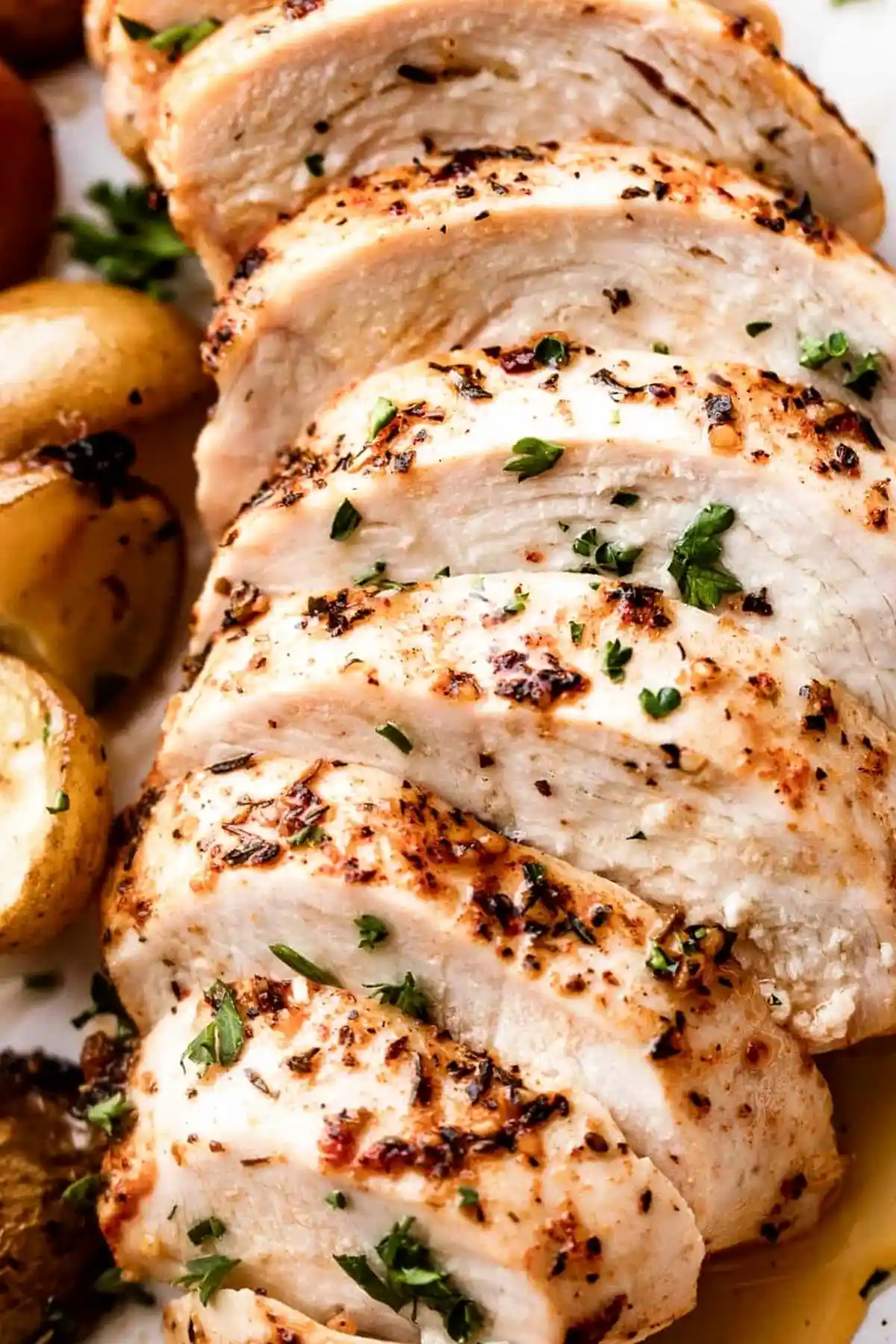
List of ingredients
- ½ cup low sodium chicken broth
- 4 boneless skinless chicken breasts
- 2 tablespoons olive oil
- 1 teaspoon salt
- ½ teaspoon fresh ground black pepper
- ½ teaspoon sweet paprika
- ½ teaspoon garlic powder
- ½ teaspoon onion powder
- ½ teaspoon dried basil
- ½ teaspoon dried oregano
- chopped fresh parsley (for garnish, optional)
step-by-step instructions
- Prep: Add the chicken broth to the insert of your slow cooker.
- Make the seasoning: In a small mixing bowl, combine the salt, black pepper, paprika, garlic powder, onion powder, basil, and oregano; mix until thoroughly incorporated.
- Prepare the chicken: Pat the chicken breasts dry with paper towels. Rub the chicken with olive oil, and then rub them with the seasoning mixture.
- Cook: Transfer the chicken breasts to the slow cooker. Cover and cook on LOW for 3 to 4 hours, or until internal temperature of the chicken registers at 165˚F. Use an Instant Read Meat Thermometer to check for doneness.
- Broil (optional): If you’d like a bit of browning on the cooked chicken, put it under the broiler for about 3 to 4 minutes after you cooked it in the slow cooker.
- Let it rest: Remove the chicken breasts from the slow cooker and let them rest for about 5 to 8 minutes before cutting and serving.
Refining the Cooking Process
Ensuring consistent doneness
Using a reliable digital meat thermometer is the most effective way to ensure your poultry reaches the safe internal temperature of 165˚F without crossing into overcooked territory. Because slow cookers vary in heating intensity, checking the temperature around the three-hour mark is a smart preventative measure. If the chicken hasn’t quite reached the target, continue cooking and check again in 30-minute intervals to maintain peak juiciness.
The importance of the resting period
Resting the cooked chicken is a vital step often overlooked by home cooks. During the high-heat cooking process, the juices within the protein are agitated and pushed toward the center; resting allows these fluids to migrate back into the meat fibers. Neglecting this step often results in the juices running out onto the cutting board instead of staying inside the meat, which leaves the final slices tasting dry or fibrous.
Adjusting moisture for various cooking environments
If you find your slow cooker runs particularly hot, you might notice the liquid level drops significantly. If you prefer a more sauce-heavy dish, you can increase the broth volume to one full cup, which helps create a light poaching liquid around the base of the breasts. This extra liquid is also useful if you plan on shredding the chicken later, as it provides a flavorful base to coat the shredded pieces once finished.
Effective Storage and Reheating Approaches
Managing refrigerator storage
When storing leftovers, try to keep the chicken in its original cooking liquid or a small amount of extra broth within an airtight container. This helps prevent the exterior of the protein from drying out while sitting in the refrigerator’s circulating air. The chicken should remain at prime quality for up to 4 days, making it an excellent candidate for midweek meal assembly.
Freezing for long-term use
To freeze the chicken effectively, shred or slice the cooked breast meat before portioning it into freezer-safe containers or bags. Adding a small amount of the cooking liquid back into the bag creates a protective layer that helps maintain texture during the freezing process. This method allows you to pull out single servings for quick meals, which stay delicious for up to 3 months when stored at 0˚F or below.
Gentle reheating techniques
To avoid the rubbery texture that often occurs when reheating lean proteins, always add a splash of broth or water to your container before warming. Whether using the microwave on a medium setting or a stovetop skillet over low heat, the presence of steam helps to rehydrate the surface of the meat. Keep the container covered during the reheating process to trap moisture, which ensures the chicken remains tender and easy to chew.
Creative Serving Suggestions
Elevating the presentation
While the chicken is delicious on its own, it functions beautifully as a centerpiece for a variety of side dishes. Pairing the meat with roasted seasonal vegetables, such as carrots, potatoes, or parsnips, balances the savory spice profile of the rub. The herbs used in the rub—basil and oregano—also pair excellently with fresh salads, providing a contrast between the warm protein and crisp, cool greens.
Transforming leftovers into new meals
This recipe is highly modular, meaning you can easily adapt the shredded leftovers for a second round of dining. Toss the shredded pieces into a warm grain bowl, mix them with fresh vegetables for a nutrient-dense wrap, or incorporate them into a hearty soup during the final five minutes of cooking. Because the seasoning is balanced and neutral, it complements almost any secondary preparation method, from spicy stir-fries to creamy pasta sauces.
Pairing with grains and starches
For a complete and satisfying meal, serve the sliced chicken over a bed of fluffy quinoa, steamed jasmine rice, or garlic-infused mashed potatoes. These neutral bases soak up any juices or seasoning from the chicken, adding complexity to each bite. If you prefer a lower-carb option, consider serving the chicken over a warm mash of roasted cauliflower or alongside a generous portion of sautéed leafy greens like spinach or kale.
Common Queries Addressed
Can I use frozen chicken breasts directly in the slow cooker?
It is generally discouraged to use frozen chicken in a slow cooker because the meat stays in the “danger zone” of temperature for too long. To ensure food safety, always thaw your chicken breasts completely in the refrigerator before starting the cooking sequence. This also ensures that the seasoning rub adheres correctly to the surface of the meat, leading to better flavor distribution.
Why does the chicken seem stringy after cooking?
Stringy or dry chicken is usually a result of overcooking, which can happen if the device is left on for too long or if the temperature is set too high. If you know your slow cooker runs hot, check the progress closer to the three-hour mark. Additionally, always keep the lid closed during the cooking cycle; every time the lid is lifted, heat escapes, extending the time needed and potentially impacting the texture of the meat.
Can I swap the herbs in the seasoning mix?
The seasoning blend provided is meant to be a versatile baseline, but it is certainly adjustable based on your pantry availability. If you prefer a more Mediterranean profile, you can increase the oregano and add a pinch of dried thyme. For a slightly different aromatic profile, consider adding a dash of dried rosemary or a tiny pinch of red pepper flakes if you enjoy a very subtle hint of heat in your final dish.
Is it necessary to use oil before adding the spices?
Using olive oil is essential because it acts as a binder between the dry spice rub and the moisture-rich surface of the chicken. Without the oil, the spice blend may slide off during the cooking process and pool at the bottom of the slow cooker instead of flavoring the meat directly. The oil also contributes a small amount of healthy fat, which helps keep the lean breast meat feeling rich and satisfying throughout the slow cooking process.
Print
Slow Cooker Chicken Breast
- Total Time: PT220M
- Yield: 4 servings
- Diet: High Protein
Description
This comforting Slow Cooker Chicken Breast recipe is made with a mouthwatering blend of herbs and spices. Guaranteed to turn out perfectly every time!
Ingredients
- ½ cup low sodium chicken broth
- 4 boneless skinless chicken breasts
- 2 tablespoons olive oil
- 1 teaspoon salt
- ½ teaspoon fresh ground black pepper
- ½ teaspoon sweet paprika
- ½ teaspoon garlic powder
- ½ teaspoon onion powder
- ½ teaspoon dried basil
- ½ teaspoon dried oregano
- chopped fresh parsley (for garnish, optional)
Instructions
- Prep: Add the chicken broth to the insert of your slow cooker.
- Make the seasoning: In a small mixing bowl, combine the salt, black pepper, paprika, garlic powder, onion powder, basil, and oregano; mix until thoroughly incorporated.
- Prepare the chicken: Pat the chicken breasts dry with paper towels. Rub the chicken with olive oil, and then rub them with the seasoning mixture.
- Cook: Transfer the chicken breasts to the slow cooker. Cover and cook on LOW for 3 to 4 hours, or until internal temperature of the chicken registers at 165˚F. Use an Instant Read Meat Thermometer to check for doneness.
- Broil (optional): If you’d like a bit of browning on the cooked chicken, put it under the broiler for about 3 to 4 minutes after you cooked it in the slow cooker.
- Let it rest: Remove the chicken breasts from the slow cooker and let them rest for about 5 to 8 minutes before cutting and serving.
Notes
Store cooked chicken breasts in an airtight container in the refrigerator for up to 4 days, or freeze for up to 3 months. Always ensure internal temperature reaches 165°F for food safety.
- Prep Time: PT5M
- Cook Time: PT210M
- Category: Dinner, Lunch, Main Course
- Method: Slow Cooker
- Cuisine: American
Nutrition
- Serving Size: 1 breast
- Calories: 200 kcal
- Sugar: 1 g
- Sodium: 722 mg
- Fat: 10 g
- Saturated Fat: 2 g
- Unsaturated Fat: 7 g
- Trans Fat: 0 g
- Carbohydrates: 1 g
- Fiber: 1 g
- Protein: 25 g
- Cholesterol: 72 mg