
This slow cooker beef stir-fry is a fantastic way to enjoy a classic, savory meal without needing to stand over a hot stove for long periods. By letting your slow cooker handle the process, the beef becomes remarkably tender while the sauce infuses every slice with deep, aromatic flavor. It is a perfect solution for busy weeknights when you want a nutritious, well-balanced dinner ready with minimal active effort.
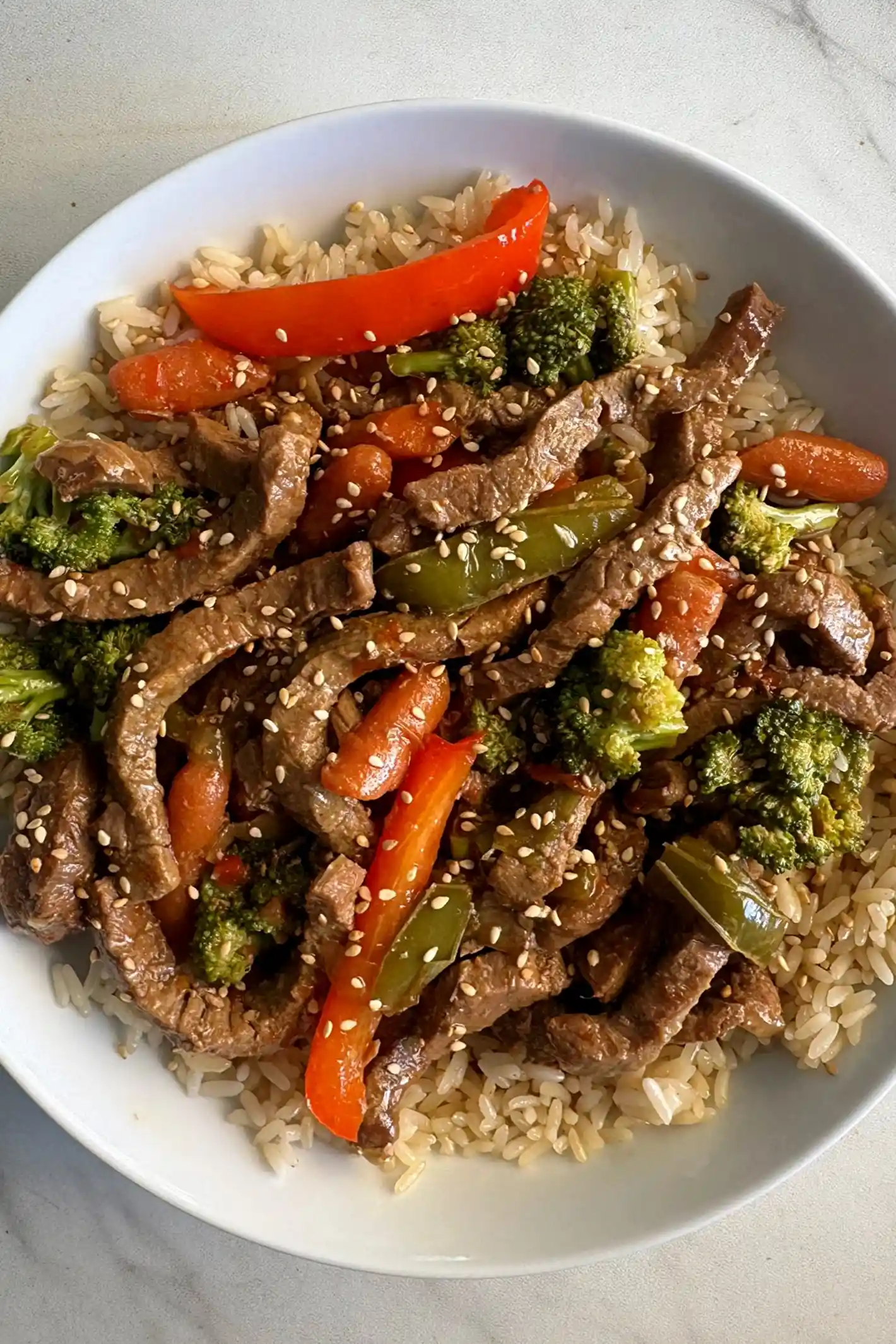
List of ingredients
- 2 pounds beef sirloin, cut into 1/4-inch strips
- 2 bell peppers, sliced
- 1 medium-size onion, sliced
- 1 cup broccoli, chopped
- 2 medium-size carrots, peeled and sliced or diced
- 1/3 cup low-sodium soy sauce
- 2 tablespoons water
- 2 tablespoons rice vinegar
- 2 tablespoons cornstarch
- 2 garlic cloves, minced
- 1 tablespoon ground ginger
- 1/2 tsp salt
- 1/4 tsp pepper
step-by-step instructions
- Step: Add all of the sauce ingredients to the slow cooker and whisk until well blended.
- Step: Add the beef, bell pepper, onion, garlic, and carrots to the slow cooker and stir gently.
- Step: Cook on HIGH for 2 to 3 hours or LOW for 4 to 6 hours.
- Step: During the last 15 minutes of cooking time, stir in the fresh broccoli.
Practical cooking strategies
Achieving uniform heat distribution
When loading your slow cooker, ensure that the vegetables are distributed relatively evenly around the beef strips. If you pile all the meat in one corner, it may cook unevenly compared to the vegetables at the top. A quick stir once all items are added helps guarantee that the sauce contact is consistent throughout the vessel.
Managing sauce consistency
The cornstarch provided in this recipe is designed to thicken the sauce as the temperature rises. If you find your sauce is too thin after the cooking process, remove the lid and turn the device to a high-heat setting for 10 extra minutes. Alternatively, you can mix a small teaspoon of cornstarch with a tablespoon of cool water and stir it in to create an immediate thickening effect without adding too much extra liquid.
Selecting the right beef cut
While sirloin is the standard choice, you can easily use other cuts that respond well to slow cooking. Top round or flank steak are excellent alternatives that hold their shape well when sliced into thin strips. If you are using a slightly tougher cut of beef, consider extending the cook time by an additional 30 to 60 minutes on the low setting to ensure maximum tenderness.
Customizing your stir-fry
Expanding the vegetable profile
This recipe is highly versatile, meaning you can easily swap or add vegetables depending on what you have in your pantry. Snap peas, water chestnuts, sliced baby corn, or mushrooms are excellent additions that absorb the stir-fry sauce beautifully. If using softer vegetables like bok choy or bean sprouts, add them only in the final five minutes to preserve their delicate structure.
Adjusting the flavor profile
If you prefer a bolder flavor, you can increase the amount of ginger or incorporate a pinch of red pepper flakes for a subtle heat. For a deeper savory note, a splash of toasted sesame oil added right before serving can round out the aromatics. Always taste your sauce once it has thickened before adjusting, as the reduction process can concentrate the salinity of the soy sauce.
Serving and storage advice
Pairing recommendations
Serving this beef stir-fry over a bed of steamed jasmine rice is a classic choice that captures the extra sauce perfectly. For those looking for lighter options, cauliflower rice or sautéed zucchini noodles are excellent low-carb alternatives. Serving the meal in a bowl ensures that you get a bit of sauce with every single bite of meat and vegetable.
Proper cooling and storage
Allow the leftovers to cool to room temperature before transferring them into airtight glass or plastic containers. Stored in the refrigerator, this dish maintains its quality for up to four days. To maximize freshness, try to keep the meat and vegetables submerged in any remaining sauce while refrigerated, as this helps prevent the proteins from drying out.
Reheating techniques
When you are ready to enjoy your leftovers, reheating them gently is the key to maintaining texture. A microwave works well for individual portions, but you must heat it in short, 30-second intervals while stirring in between. For larger amounts, warming the dish in a skillet over medium-low heat allows you to control the moisture levels better and prevents the beef from becoming tough.
Common cooking questions
Why is there liquid left in the pot?
It is perfectly normal for there to be a generous amount of liquid remaining in the slow cooker after the cooking process. Vegetables, particularly peppers and onions, release a significant amount of water as they soften. You should consider this a flavorful sauce rather than excess liquid, and it is intended to be drizzled generously over your rice or grains during service.
Can I prepare this in advance?
You can certainly prep the vegetables and slice the beef up to 24 hours before you plan to cook. Keep the meat and vegetables in separate airtight containers in the refrigerator to prevent the raw juices from the beef from affecting the texture of the vegetables. You can also mix the sauce ingredients ahead of time and store them in a jar, though ensure you whisk it again right before pouring it into the slow cooker, as the cornstarch will settle at the bottom.
Are there gluten-free modifications?
Yes, swapping standard soy sauce for coconut aminos is an effective way to make this dish gluten-free. Coconut aminos provide a similar savory depth and sweetness that works perfectly with the ginger and garlic in the sauce. This substitution also makes the dish compliant with various dietary programs that avoid soy, without requiring any changes to the cook times or ratios.
What is the benefit of adding the broccoli late?
Adding the broccoli during the final 15 minutes of the cycle prevents it from turning into mush. Broccoli is a delicate vegetable that breaks down rapidly under constant, high-moist heat. By staggering its addition, you ensure that the florets remain vibrant, bright green, and retain a satisfying snap that contrasts with the tender beef strips.
Print
Slow Cooker Beef Stir-Fry
- Total Time: PT4H10M
- Yield: 4 servings
- Diet: Dairy-Free
Description
Slow cooker beef stir-fry is a flavorful dinner packed with nutritious vegetables. Slices of beef slow cook in a savory, stir-fry inspired sauce. Add your favorite vegetables for a well-balanced and satisfying meal. While traditional stir-fry is made quickly over high heat, this crockpot version gives you the same great flavor with a hands-off approach.
Ingredients
- 2 pounds beef sirloin, cut into 1/4-inch strips
- 2 bell peppers, sliced
- 1 medium-size onion, sliced
- 1 cup broccoli, chopped
- 2 medium-size carrots, peeled and sliced or diced
- 1/3 cup low-sodium soy sauce
- 2 tablespoons water
- 2 tablespoons rice vinegar
- 2 tablespoons cornstarch
- 2 garlic cloves, minced
- 1 tablespoon ground ginger
- 1/2 tsp salt
- 1/4 tsp pepper
Instructions
- Step: Add all of the sauce ingredients to the slow cooker and whisk until well blended.
- Step: Add the beef, bell pepper, onion, garlic, and carrots to the slow cooker and stir gently.
- Step: Cook on HIGH for 2 to 3 hours or LOW for 4 to 6 hours.
- Step: During the last 15 minutes of cooking time, stir in the fresh broccoli.
Notes
To make this recipe gluten-free, paleo, and Whole30 compatible, substitute the soy sauce with coconut aminos. You can use a 6-quart slow cooker or Instant Pot for this recipe.
- Prep Time: PT10M
- Cook Time: PT4H
- Category: Dinner
- Method: Slow Cooking
- Cuisine: American
Nutrition
- Serving Size: 1 serving
- Calories: 385 kcal
- Sugar: 6 g
- Sodium: 720 mg
- Fat: 12 g
- Saturated Fat: 4 g
- Unsaturated Fat: 6 g
- Trans Fat: 0 g
- Carbohydrates: 24 g
- Fiber: 3 g
- Protein: 45 g
- Cholesterol: 115 mg