
This quick and savory pepper steak brings the flavor of a professional kitchen into your own home. It features tender strips of ribeye and crisp bell peppers tossed in a rich, glossy sauce.
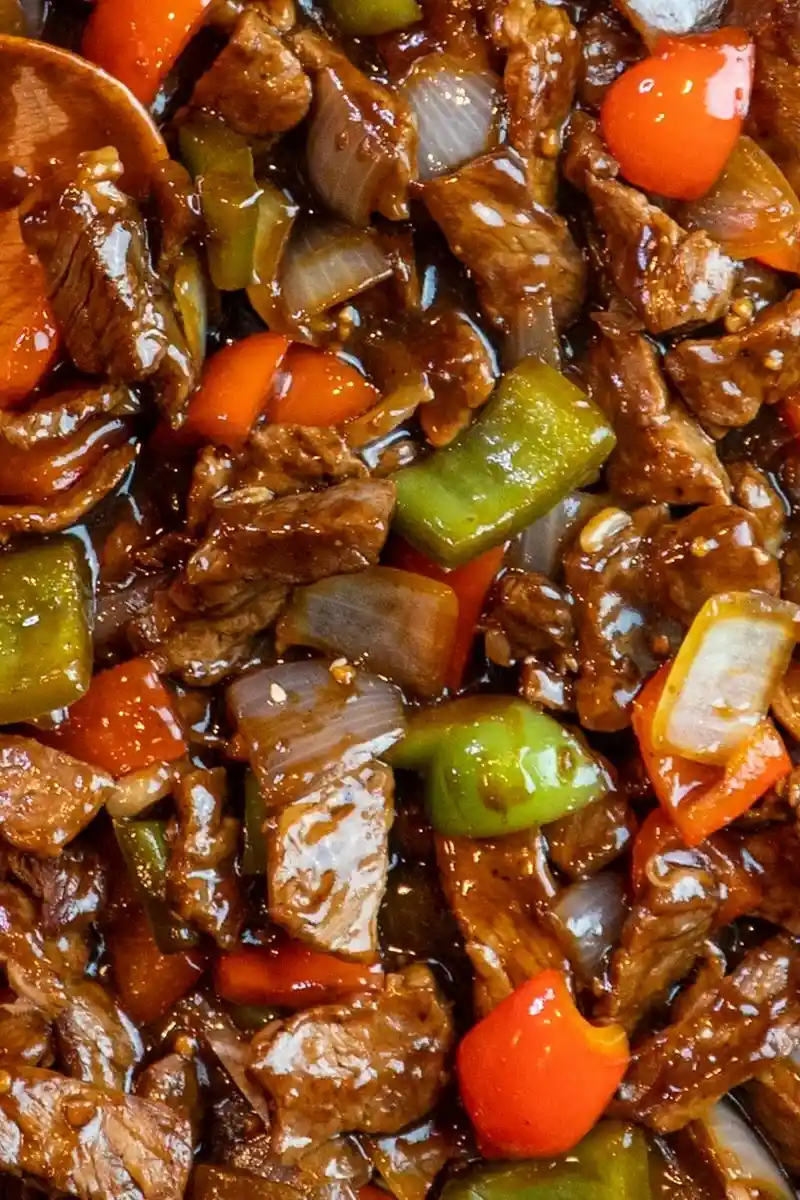
List of ingredients
- 2 lbs Ribeye steak (cut into 2-inch long thin slices) – provides a rich, tender base.
- 1 red bell pepper (chopped into bite-size pieces) – adds sweetness and color.
- 1 green bell pepper (chopped into bite-size pieces) – contributes an earthy flavor.
- 1 medium white onion (chopped into bite-size pieces) – adds a sharp, savory depth.
- 2 tbsp vegetable oil (divided in half) – used for searing and sautéing.
- 3 cloves garlic (minced) – essential for aromatic punch.
- 1 tsp black pepper – provides a subtle heat.
- ½ tsp ginger (minced) – adds a fresh, zesty note.
- 2 tbsp brown sugar – balances the salty soy sauce.
- ⅓ cup soy sauce – the primary seasoning for umami flavor.
- 1¼ cups beef broth – creates the liquid base for the sauce.
- 2 tbsp rice vinegar – adds a necessary acidic brightness.
- 1 tsp sesame oil – delivers a toasted, nutty aroma.
- 2 tbsp cornstarch – used to thicken the sauce to a glaze.
step-by-step instructions
- Brown the beef: Heat 1 tbsp vegetable oil in a large skillet over medium-high heat. Add the steak slices and cook for 5-6 minutes until lightly browned, then remove them from the skillet and set them on a plate.
- Sauté the vegetables: Add the remaining 1 tbsp of vegetable oil to the same skillet. Toss in the chopped peppers and onions, cooking for 3-4 minutes until they are tender but still hold their shape.
- Recombine: Return the browned steak and any accumulated juices from the plate back into the skillet with the vegetables.
- Prepare and add sauce: In a medium bowl, stir together the minced garlic, black pepper, minced ginger, brown sugar, soy sauce, beef broth, rice vinegar, sesame oil, and cornstarch until well combined. Pour this mixture directly into the skillet.
- Thicken the glaze: Bring the liquid to a simmer and cook for 4-5 minutes, stirring occasionally, until the sauce thickens and coats the meat and vegetables.
- Serve: Dish the hot pepper steak over a bed of steamed rice and garnish with sesame seeds before serving.
Meat Selection and Cutting Techniques
Selecting Premium Ribeye for Tenderness
Ribeye is the ideal choice for this recipe because its high fat content ensures the meat remains juicy during high-heat searing. The marbling allows the steak to withstand the quick cooking process without becoming tough or dry. If ribeye is unavailable, sirloin can be used, though it may require slightly less cooking time to avoid over-firming.
Cutting Meat Across the Grain for Maximum Tenderness
To ensure every bite is tender, always slice your beef across the muscle fibers, known as the grain. Slicing perpendicular to the fibers shortens them, making the meat much easier to chew. This technique is essential for stir-fry dishes where the cooking time is very short.
Using Partial Freezing for Precise Slicing
Place your steak in the freezer for about one hour before you begin slicing. This firms up the meat just enough to allow you to cut extremely thin, uniform strips. Thin slices cook more quickly and evenly, which prevents the outside from overcooking before the inside is ready.
Avoiding Overcrowding During the Searing Process
Sear the steak in two separate batches rather than adding all the meat to the pan at once. Overcrowding the skillet lowers the temperature of the oil, which causes the meat to steam in its own juices rather than brown. Searing in batches ensures a deep brown crust and better flavor development.
Optimizing the Sauce and Glaze
The Role of Cornstarch as a Thickening Agent
Cornstarch is critical for transforming the broth and soy sauce mixture into a glossy glaze. It interacts with the heat to bind the liquids, allowing the sauce to cling to the steak and vegetables rather than pooling at the bottom of the plate. Ensure the cornstarch is fully dissolved in the cold liquid before adding it to the pan to avoid lumps.
Balancing Sweet and Salty Tones
The combination of brown sugar and soy sauce creates a classic savory-sweet profile. The brown sugar mellows the intensity of the soy sauce while adding a slight caramel note to the finish. You can slightly adjust the amount of sugar based on your preference for a sweeter or more savory dish.
Using Rice Vinegar for Acidic Balance
Rice vinegar provides a mild acidity that cuts through the richness of the ribeye and the saltiness of the soy sauce. This brightness lifts the overall flavor profile and prevents the dish from tasting too heavy. It is a gentler alternative to distilled white vinegar, making it perfect for Asian-inspired recipes.
Enhancing the Aroma with Toasted Sesame Oil
Sesame oil is used as a finishing flavor rather than a primary cooking oil due to its low smoke point. Its intense, nutty aroma complements the ginger and garlic, providing an authentic takeout quality. Adding it to the sauce mixture ensures the flavor is distributed evenly throughout the dish.
Managing Vegetable Textures
Sautéing Peppers for Maximum Crunch
The goal for the bell peppers is to be tender-crisp, meaning they are cooked through but still have a slight snap. Cooking them for only 3-4 minutes on medium-high heat achieves this balance. Overcooking the peppers can make them mushy and cause them to lose their vibrant color.
Caramelizing Onions for Depth
Cooking the white onions until they are translucent and slightly browned adds a natural sweetness to the dish. The onions absorb the residual flavors from the seared beef left in the pan, which enhances their taste. Ensure the pan is hot enough to achieve a quick sear rather than a slow soften.
Preventing Vegetable Overcooking
By removing the meat from the pan and cooking the vegetables separately, you maintain total control over the texture of each ingredient. Adding the meat back in only after the vegetables are ready ensures that neither the beef becomes overcooked nor the peppers become too soft. This sequence is key to a professional-looking stir-fry.
Plate Pairings and Side Dish Ideas
Pairing with Fluffy Jasmine Rice
Jasmine rice is the traditional accompaniment because its floral aroma and slightly sticky texture perfectly complement the savory glaze. The rice acts as a sponge, absorbing the extra sauce and ensuring no flavor is wasted. For a more nuttier flavor, long-grain Basmati rice is also an excellent option.
Using Brown Rice for Added Nutrition
For those seeking a heartier and more nutritious alternative, steamed brown rice provides a great contrast in texture. The chewiness of brown rice stands up well to the tender steak and crisp peppers. It also adds more fiber to the meal without compromising the taste of the sauce.
Serving with Stir-Fry Noodles
If you prefer noodles over rice, this pepper steak works beautifully over lo mein or udon noodles. Simply toss the cooked noodles into the skillet during the final minute of simmering so they can be coated in the thickened glaze. This transforms the meal into a complete noodle stir-fry.
Complementing with Crispy Appetizers
To create a full restaurant experience, serve this dish alongside vegetable spring rolls or crispy egg rolls. The crunch of the fried appetizers provides a wonderful textural contrast to the tender beef. A side of steamed broccoli or snap peas can also add more freshness to the meal.
Preservation and Reheating Guidelines
Proper Refrigeration Techniques
Store leftover pepper steak in an airtight container to keep the meat from drying out. It will remain fresh and flavorful in the refrigerator for up to three days. Ensure the dish is cooled slightly before sealing the lid to prevent excessive condensation from making the sauce watery.
Freezing and Thawing Procedures
This dish can be frozen for longer storage by dividing it into individual portion sizes in freezer-safe containers. Allow the steak to cool completely before freezing to prevent ice crystals from forming. To thaw, move the container to the refrigerator overnight for the safest and most effective results.
Best Practices for Reheating Leftovers
When reheating on the stovetop, add a tablespoon of water or beef broth to the pan to loosen the sauce. Heat over medium heat, stirring occasionally, until the mixture is warmed through. This prevents the cornstarch glaze from becoming too thick or gummy during the reheating process.
Using the Microwave for Quick Heating
If using a microwave, heat the steak in short 1-minute intervals, stirring in between. Covering the dish with a microwave-safe lid or damp paper towel helps retain moisture and prevents the beef from toughening. Heat only until warm to avoid overcooking the meat further.
Common Cooking Challenges
Fixing a Sauce That Is Too Thick
If the sauce becomes too thick or paste-like during the simmering process, simply stir in a small amount of beef broth or water. Add the liquid one tablespoon at a time until you reach your desired consistency. This happens most often if the heat is too high or the simmer lasts too long.
Preventing the Beef from Becoming Tough
Toughness usually occurs when the steak is overcooked or sliced with the grain. Stick to the 5-6 minute browning time and ensure the heat remains at medium-high. If you notice the meat tightening up, remove it from the heat immediately.
Reducing Excessive Oil in the Pan
If you find there is too much oil in the skillet after browning the beef, carefully spoon out the excess before adding the vegetables. Too much oil can prevent the vegetables from searing and may result in a greasy sauce. Keeping the oil levels balanced ensures a clean, glossy finish.
Frequently Asked Questions
Do I have to use ribeye steak or can I use a different kind of steak?
Ribeye is recommended for its superior flavor and tenderness, but you can use sirloin or flank steak as alternatives. Keep in mind that leaner cuts like sirloin can become tough more quickly, so you may need to reduce the cooking time slightly.
Can I use olive oil instead of vegetable oil?
Yes, olive oil is a suitable replacement for the vegetable oil used for searing and sautéing. However, do not replace the sesame oil in the sauce, as the toasted flavor of sesame oil is essential to the dish’s authentic taste.
Do I have to serve it with rice?
While rice is the most popular pairing, it is not mandatory. You can serve this pepper steak with noodles, quinoa, or even enjoy it on its own for a lower-carb option. The sauce is flavorful enough to stand alone without a grain base.
Print
Savory Homemade Chinese Pepper Steak
- Total Time: 30 minutes
- Yield: 6 servings
- Diet: General
Description
Chinese Pepper Steak with Onions – juicy, delicious ribeye steak, flavorful bell peppers, and spicy onions tossed in a sweet and spicy broth-based sauce with ginger, garlic, brown sugar, and soy sauce for a dinner that will put any takeout Chinese Pepper Steak to shame.
Ingredients
- 2 lbs Ribeye steak (2-inch long thin slices)
- 1 red bell pepper (chopped into bite-size pieces)
- 1 green bell pepper (chopped into bite-size pieces)
- 1 medium white onion (chopped into bite-size pieces)
- 2 tbsp vegetable oil
- 3 cloves garlic (minced)
- 1 tsp black pepper
- ½ tsp ginger (minced)
- 2 tbsp brown sugar
- ⅓ cup soy sauce
- 1¼ cups beef broth
- 2 tbsp rice vinegar
- 1 tsp sesame oil
- 2 tbsp cornstarch
Instructions
- Step: In a large skillet heat 1 tbsp vegetable oil over medium-high heat, add the steak to the pan and cook for 5-6 minutes or until lightly browned, then remove from skillet and place on a plate.
- Step: Add 1 tbsp vegetable oil to the skillet, add the peppers and onions and cook for 3-4 minutes or until tender.
- Step: Add cooked steak back into the skillet.
- Step: Add garlic, black pepper, ginger, brown sugar, soy sauce, beef broth, rice vinegar, sesame oil, and corn starch to a medium bowl, stir until well combined and add to the skillet.
- Step: Bring to a simmer and cook for 4-5 minutes until the sauce begins to thicken.
- Step: Serve hot over rice and garnish with sesame seeds.
Notes
Partially freeze the steak for 1-hour before slicing to make it easier to cut into super thin slices. Sear the steak in 2 separate batches to ensure the steak browns and does not steam.
- Prep Time: 15 minutes
- Cook Time: 15 minutes
- Category: Dinner
- Method: Stir-fry
- Cuisine: Asian
Nutrition
- Serving Size: 1 serving
- Calories: 450 kcal
- Sugar: 8 g
- Sodium: 1250 mg
- Fat: 24 g
- Saturated Fat: 11 g
- Unsaturated Fat: 13 g
- Trans Fat: 0 g
- Carbohydrates: 16 g
- Fiber: 3 g
- Protein: 38 g
- Cholesterol: 110 mg