
This moist peach bread features a soft, cake-like crumb paired with tender fruit pieces and a creamy peach glaze. It is a versatile treat that can be made with either fresh or frozen peaches depending on the season.
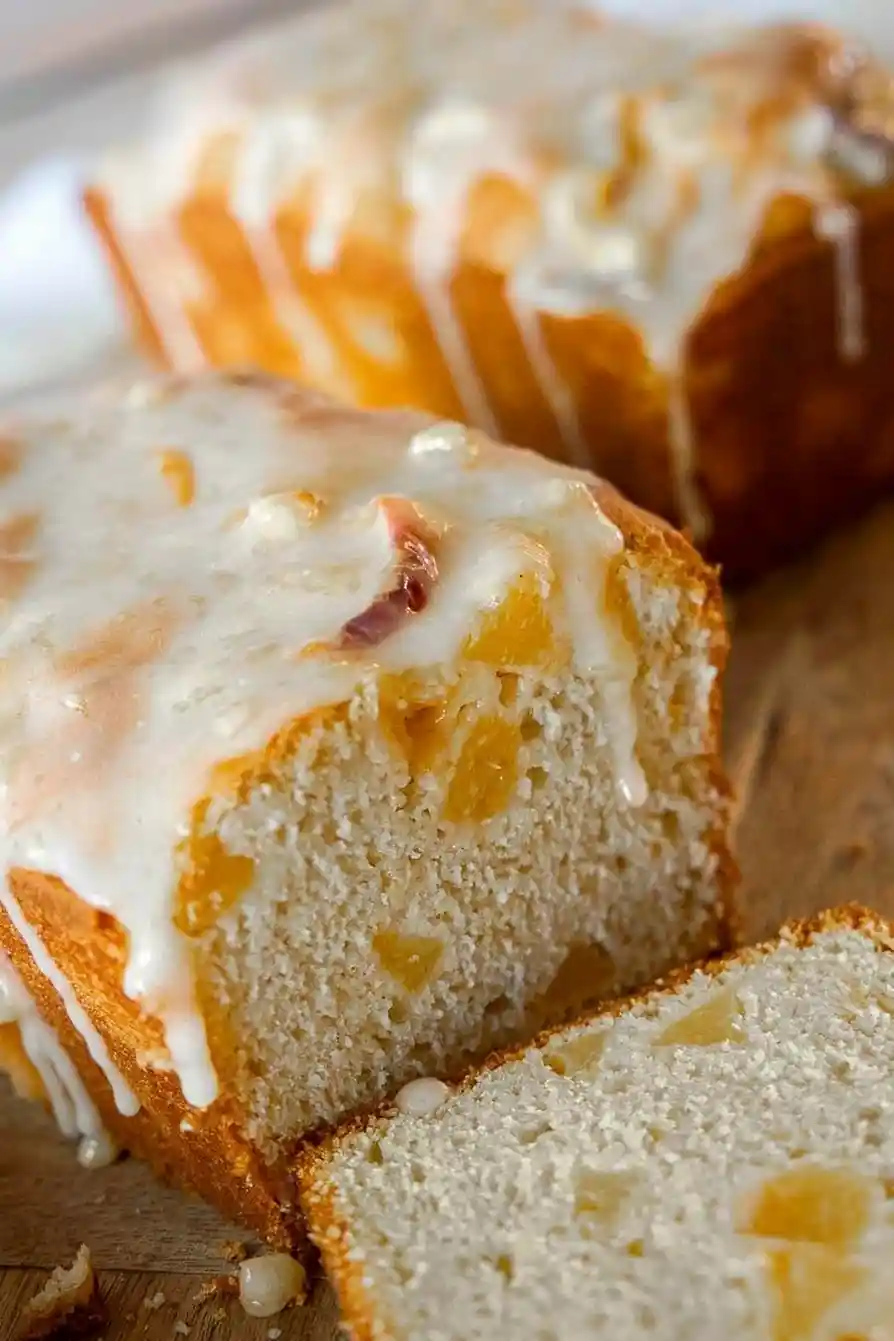
List of ingredients
- 1 cup granulated sugar – provides sweetness and helps tenderize the crumb.
- 3/4 cup milk – adds moisture and richness.
- 3/4 cup canola oil – ensures a soft texture and long-lasting moistness.
- 2 large eggs – acts as a binding agent and provides structure.
- 1 teaspoon vanilla extract – enhances the flavor of the peaches.
- 2 1/2 cup all purpose flour – the primary structure for the bread.
- 2 teaspoon baking powder – the leavening agent for lift.
- 1/8 teaspoon ground cinnamon – adds a warm accent without overpowering the fruit.
- dash salt – balances the sweetness of the batter.
- 2 cup fresh peaches peeled and diced – the main fruit component.
- 2 tablespoons melted butter – for the glaze base.
- 1/3 cup finely diced peaches (peeled and drained) – for texture in the glaze.
- 1/2 teaspoon vanilla extract – for glaze flavoring.
- 1-2 tablespoons heavy cream or milk – to adjust glaze consistency.
- 2 cups powdered sugar – for the sweet glaze topping.
step-by-step instructions
- Prepare Oven: Preheat your oven to 350 degrees F to ensure an immediate rise.
- Cream Wet Ingredients: In a large mixing bowl, mix the canola oil and granulated sugar until they are well creamed together. You may use a stand mixer, hand mixer, or mix by hand.
- Combine Liquid Bases: Add the eggs and vanilla extract to the oil mixture and continue to mix until smooth. Once combined, stir in the milk.
- Integrate Dry Ingredients: Stir in the salt, baking powder, and all purpose flour. Mix only until the ingredients are just combined to avoid overworking the gluten.
- Fold in Fruit: Gently fold the diced peaches into the batter using a spatula to ensure even distribution.
- Prepare Pans: Grease two 8 by 4 inch bread pans. If using larger pans, the bread will be shorter.
- Fill and Decorate: Divide the batter equally between the two pans. Optionally, place thinly sliced peaches on top for a professional presentation.
- Bake: Place pans on the center rack and bake for 50-60 minutes. Use a toothpick to verify the center comes out clean.
- Initial Cooling: Let the loaves cool on a wire rack for 20 minutes before removing them from the pans.
- Prepare Glaze: In a small bowl, whisk together melted butter, powdered sugar, milk or heavy cream, vanilla, and the finely diced peaches.
- Finish and Serve: Drizzle the glaze over the completely cooled bread and let it set before slicing.
Peach Preparation Techniques
Blanching Peaches for Easy Peeling
To remove peach skins effortlessly, score a small X on the bottom of each fruit. Submerge them in boiling water for 30-60 seconds, then immediately move them to an ice bath. The skins will slip right off with minimal effort.
Dicing for Even Distribution
Cut your peaches into uniform, bite-sized cubes approximately 1/2 inch in size. This ensures the fruit is distributed evenly throughout the batter and prevents large pockets of moisture. Uniform pieces also bake more consistently.
Using Frozen Peaches
Frozen peaches can be used as a direct substitute for fresh ones. Thaw them completely and drain any excess liquid before measuring to prevent the batter from becoming too thin. You can also add them frozen, as it does not significantly alter the bake time.
Selecting the Right Peaches
Use peaches that are ripe but still slightly firm to the touch. Overly soft peaches can release too much juice into the batter, which may lead to a gummy texture. Firm-ripe fruit maintains its shape during the baking process.
Batter Mixing and Chemistry
The Role of Canola Oil
Using oil instead of butter in the bread ensures a more moist crumb that stays soft longer. Canola oil is preferred because it has a neutral flavor that does not interfere with the peach and vanilla notes. It provides a consistent texture regardless of temperature.
Preventing Gluten Overdevelopment
Stir the dry ingredients into the wet mixture only until no streaks of flour remain. Overmixing develops too much gluten, which can result in a tough, rubbery bread. A gentle fold is the best way to maintain a tender, cake-like consistency.
Balancing Cinnamon and Peach
The 1/8 teaspoon of cinnamon is intended to be a subtle background note. It accentuates the natural sweetness of the peaches without masking the fruit flavor. Avoid increasing this amount significantly, as cinnamon can easily dominate the palate.
Ensuring Leavening Power
Check the expiration date of your baking powder to ensure the bread rises properly. If the baking powder is old, the bread may turn out dense and flat. For a quick test, add a pinch of powder to hot water to see if it bubbles vigorously.
Baking and Oven Management
Optimal Pan Preparation
Grease your 8 by 4 inch pans thoroughly with butter or cooking spray. For an even easier release, line the bottom and sides with parchment paper. This prevents the edges from sticking and makes removal seamless.
Managing Oven Hot Spots
Place the bread pans on the center rack to ensure equal heat circulation around the loaves. If your oven has known hot spots, rotate the pans halfway through the baking time. This prevents one side from browning too quickly.
Identifying Proper Doneness
Insert a toothpick or a thin skewer into the center of the loaf. The bread is done when the toothpick comes out clean or with just a few moist crumbs attached. Avoid overbaking, as this can dry out the edges of the bread.
Utilizing Wire Racks for Cooling
Transfer the pans to a wire rack immediately after removing them from the oven. This allows air to circulate under the pan, preventing the bottom of the bread from steaming. Steaming can lead to a soggy bottom crust.
Mastering the Peach Glaze
Adjusting Glaze Consistency
Vary the amount of heavy cream or milk to reach your desired thickness. Use one tablespoon for a thicker, spreadable glaze, or two tablespoons for a thinner, pourable consistency. Stir slowly to avoid incorporating too many air bubbles.
Sifting Powdered Sugar
Sift the powdered sugar through a fine-mesh strainer before whisking it with the butter and liquid. This removes lumps and ensures a perfectly smooth glaze. Lumps in the glaze can be difficult to whisk out once the butter is added.
The Importance of Full Cooling
Wait until the bread is completely cool to the touch before applying the glaze. If the bread is still warm, the glaze will melt and run off the sides. A cool surface allows the glaze to set and hold its shape.
Preparing Glaze Peaches
The peaches used in the glaze should be diced much smaller than those in the bread. Fine dice ensure the glaze remains smooth and spreads easily. Ensure these pieces are drained well so they do not thin out the glaze.
Storage and Preservation
Refrigeration for Freshness
Store leftover slices in an airtight container in the refrigerator. This prevents the moisture from the peaches from attracting mold and keeps the crumb soft. The bread typically stays fresh in the fridge for up to five days.
Freezing the Bread
Slice the bread before freezing to make reheating individual portions easier. Wrap each slice tightly in plastic wrap and place them in a freezer-safe bag. Frozen slices can be kept for up to three months without loss of quality.
Avoiding Moisture Loss
When storing in the fridge, ensure the container is truly airtight. Exposure to air will dry out the edges of the bread and make the glaze harden. A plastic container with a locking lid is the best choice.
Thawing Frozen Slices
Thaw frozen slices in the refrigerator overnight for the best texture. Alternatively, you can let them sit at room temperature for an hour. Avoid thawing in a microwave for too long, as it can make the bread rubbery.
Reheating Techniques
Using the Toaster Oven
Place a slice in a toaster oven on a low heat setting until warmed through. This lightly crisps the edges of the bread while keeping the center soft. Be careful not to burn the sugar in the glaze.
Microwave Reheating
Heat a slice in the microwave for 10-15 seconds on medium power. This is the fastest method and helps the peach pieces become tender again. Overheating in the microwave can cause the bread to become tough quickly.
Traditional Oven Reheating
Wrap a slice or a whole loaf in aluminum foil and place it in a 300 degrees F oven. Heat for 5-10 minutes until warm. The foil traps moisture, preventing the bread from drying out during the process.
Troubleshooting Common Issues
Why is my peach bread dense?
Density is often caused by overmixing the batter or using expired baking powder. Ensure you stop stirring as soon as the flour disappears. Always use fresh leavening agents to ensure a light, airy crumb.
How to fix a runny glaze?
If the glaze is too thin, whisk in an additional tablespoon of powdered sugar at a time. Continue adding sugar until the glaze reaches a consistency that clings to the bread. Avoid adding more butter, as this can make it runnier.
Preventing burnt edges
If the edges brown too quickly while the center remains raw, lower the oven temperature by 25 degrees. You can also tent the tops of the pans with aluminum foil. This shields the surface from direct heat while the center finishes baking.
Solving the soggy center problem
A soggy center usually results from using too many peaches or failing to drain frozen fruit. Ensure the peach-to-batter ratio is correct. If using frozen fruit, pat them dry with a paper towel before adding them to the mix.
Dealing with stuck bread
If the bread sticks to the pan, run a thin knife around the edges carefully. If it still won’t budge, place the bottom of the pan in a warm water bath for a few seconds. This can help release the fats and loosen the loaf.
Frequently Asked Questions
Can I substitute the canola oil with butter?
Yes, you can use melted butter, but the texture will be denser and more like a cake. The oil provides a more consistent moistness that lasts longer after baking.
Can I use a different type of flour?
All-purpose flour is recommended for the correct balance of structure and tenderness. Using whole wheat flour may result in a heavier bread and may require a small amount of extra liquid.
Is it possible to make this without the glaze?
Absolutely, the bread is delicious on its own. The glaze adds a layer of sweetness and decoration, but it is entirely optional depending on your preference.
What other fruits work in this recipe?
Nectarines are an excellent substitute as they have a similar texture and flavor profile. You can also try using apricots, provided you adjust the sweetness as they can be more tart.
Can I use a different milk?
Any milk will work, including whole milk, 2% milk, or unsweetened almond milk. Heavy cream can be used for a richer bread, though it may slightly alter the crumb density.
Print
Moist Peach Bread with Sweet Glaze
- Total Time: 80 minutes
- Yield: 2 loaves
- Diet: Vegetarian
Description
Make this amazing peach bread with fresh or frozen peaches. The combination of the soft moist cake like bread with the tender tangy sweet peaches is amazing and the peach glaze on top makes the bread even better!
Ingredients
- 1 cup granulated sugar
- 3/4 cup milk
- 3/4 cup canola oil
- 2 large eggs
- 1 teaspoon vanilla extract
- 2 1/2 cup all purpose flour
- 2 teaspoon baking powder
- 1/8 teaspoon ground cinnamon
- dash salt
- 2 cup fresh peaches peeled and diced
- 2 tablespoons melted butter
- 1/3 cup finely diced peaches (peeled and drained)
- 1/2 teaspoon vanilla extract
- 1–2 tablespoons heavy cream or milk
- 2 cups powdered sugar
Instructions
- Step: Preheat your oven to 350 degrees F.
- Step: In a large mixing bowl mix together your wet ingredients. Start with your oil and sugar until creamed together.
- Step: Add your eggs and vanilla and continue to mix. Once combined, add your milk and mix.
- Step: Next add your dry ingredients: your salt, baking powder, flour and stir til just combined.
- Step: Last add your diced peaches and fold them into the batter.
- Step: Grease 2 8 by 4 bread pans.
- Step: Pour half the batter into one pan and the other half into the other.
- Step: Bake on the center rack in the oven for 50-60 minutes or until a toothpick comes out clean.
- Step: Let the bread cool for about 20 minutes on a wire rack before removing them from the loaf pans.
- Step: Once the bread has cooled completely its time to top it with the glaze.
- Step: Whisk together the melted butter, milk, powdered sugar, vanilla and peaches in a small bowl.
- Step: Drizzle the glaze over the entire top of the bread and let it set up.
Notes
You can use fresh or frozen peaches. Line the bread pans with parchment paper to prevent sticking. Chop peaches into bite-sized pieces for even distribution. Let the bread cool completely before adding the glaze so it does not melt. Optional: add 1/8 tsp almond extract to the bread batter.
- Prep Time: 20 minutes
- Cook Time: 60 minutes
- Category: Bread, Dessert
- Method: Baking
- Cuisine: American
Nutrition
- Serving Size: 1 slice
- Calories: 380 kcal
- Sugar: 28 g
- Sodium: 240 mg
- Fat: 16 g
- Saturated Fat: 4 g
- Unsaturated Fat: 12 g
- Trans Fat: 0 g
- Carbohydrates: 48 g
- Fiber: 2 g
- Protein: 6 g
- Cholesterol: 65 mg