
This nutrient-dense chicken soup combines healing spices with fresh vegetables to create a comforting, wellness-focused meal. It is easy to prepare and provides a healthy alternative to traditional chicken soup by incorporating anti-inflammatory ingredients.
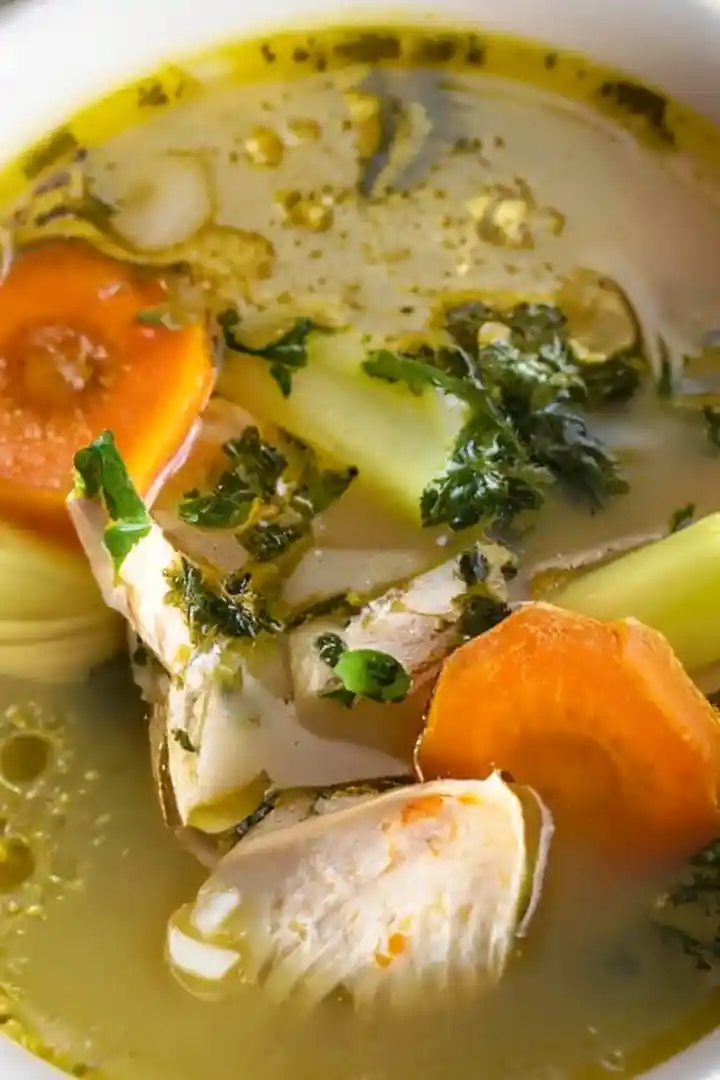
List of ingredients
- 1 Pound Boneless Chicken Breasts – cut into bite-sized pieces.
- 1 Cup Kale – chopped and stems removed.
- 2/3 Cup Unsweetened Coconut Milk – for a creamy, dairy-free texture.
- 3 Cups Chicken Broth – preferably low-sodium.
- 1/2 Teaspoon Ground Ginger – adds a warm, zesty flavor.
- 1 Teaspoon Ground Turmeric – provides the characteristic golden color and earthy taste.
- 2 Teaspoons Dried Parsley – for aromatic herbal notes.
- 3 Garlic Cloves – minced finely.
- 3 Celery Stalks – chopped into small pieces.
- 1 Parsnip – peeled and diced.
- 2 Large Carrots – peeled and sliced.
- 1 Tablespoon Olive Oil – used for sautéing vegetables.
- 1/2 Small White Onion – diced finely.
- Salt and Pepper – to taste.
step-by-step instructions
- Sauté the Aromatics: Heat one tablespoon of olive oil in a large pot over medium heat. Once the oil is hot, add the diced onion and sauté for 5-8 minutes until the pieces become translucent.
- Cook the Vegetables: Add the minced garlic, chopped celery, diced parsnips, and sliced carrots to the pot. Continue to sauté these ingredients for approximately 5 minutes or until the vegetables begin to soften.
- Brown the Chicken: Incorporate the chopped chicken breasts into the mixture. Cook for 2-3 minutes, stirring occasionally, until the meat is no longer pink on the outside.
- Simmer the Soup: Stir in the chopped kale, coconut milk, chicken broth, ground ginger, ground turmeric, and dried parsley. Ensure all ingredients are well distributed, cover the pot, and let the soup simmer for about 30 minutes.
- Season and Finish: Towards the end of the simmering process, season the soup with salt and pepper according to your preference. Stir well to integrate the seasonings.
- Serve: Give the soup one final stir and ladle it into warm bowls. Serve the soup hot to maximize its comforting qualities.
Dietary Modifications for Different Needs
Converting to a Keto-Friendly Version
To make this recipe compliant with a ketogenic diet, replace the starchy carrots and parsnips with non-starchy alternatives like diced zucchini or red bell peppers. These substitutions lower the overall carbohydrate count while maintaining the soup’s structural variety. Additionally, using a full-fat unsweetened coconut milk increases the healthy fat content, which is beneficial for those in ketosis.
Adapting for Paleo and Whole30 Standards
The original recipe is naturally aligned with Paleo and Whole30 guidelines. To ensure full compliance, verify that your chicken broth and coconut milk are free from added sugars, cornstarch, or soy. Using a homemade broth is the best way to guarantee that no prohibited additives are present in the base.
Transforming into a Vegan Meal
For a plant-based version, substitute the chicken breasts with firm tofu cubes or canned chickpeas for a protein-rich alternative. Replace the chicken broth with a high-quality vegetable broth and ensure the coconut milk is purely plant-derived. This maintains the anti-inflammatory profile while removing all animal products.
Alternative Cooking Methods
Preparing the Soup in a Slow Cooker
To use a slow cooker, first sauté the onions, garlic, celery, parsnips, and carrots in a skillet until softened. Transfer the sautéed vegetables and all other ingredients, including the raw chicken, into the slow cooker. Cook on low for 6-7 hours or on high for 3-4 hours, then season with salt and pepper before serving.
Using an Instant Pot for Rapid Cooking
Utilize the sauté function to cook the onions, garlic, and other vegetables until they are tender. Add the chicken and all remaining ingredients, then seal the lid and set the Instant Pot to pressure cook on high for 15-20 minutes. Allow the pressure to release naturally or use the quick release function before stirring and seasoning.
Selecting the Best Broth Base
Guidelines for Store-Bought Broth
When purchasing broth, look for organic or low-sodium options to better control the salt content of your meal. Avoid brands that list MSG, artificial flavors, or excessive preservatives in the ingredients list. A simple broth consisting of water, chicken, and vegetables is the ideal choice for this wellness soup.
Benefits of Using Homemade Broth
Making your own broth allows you to control the exact nutrient profile and flavor intensity. By simmering chicken bones and vegetable scraps, you create a rich, collagen-dense base that enhances the healing properties of the soup. It is also a cost-effective way to reduce food waste in your kitchen.
Optimal Serving and Presentation
Choosing the Right Dinnerware
Serve this soup in pre-warmed, shallow bowls to help maintain the temperature of the broth. The vibrant golden hue of the turmeric looks best in neutral-colored bowls, such as white or cream. Using wide bowls also allows you to showcase the colorful pieces of kale and carrots.
Adding Fresh Finishing Touches
A final squeeze of fresh lemon or lime juice just before serving brightens the earthy flavors of the turmeric and ginger. You can also garnish the bowls with fresh cilantro or sliced green onions for added color. A light drizzle of extra virgin olive oil on top adds a silky mouthfeel and a hint of fruitiness.
Pairing with Texture-Adding Accompaniments
Pair the soup with gluten-free crackers or toasted whole-grain bread for a satisfying textural contrast. If you prefer something lighter, a side of sliced cucumbers or a small bowl of olives provides a refreshing salty balance. These additions make the soup feel like a complete, substantial meal.
Nutritious Side Dish Pairings
Grain-Based Side Options
Serve this soup alongside a small portion of herbed brown rice or wild rice for those who need extra calories. Quinoa cakes or a side of steamed farro also complement the flavors well. These complex carbohydrates provide sustained energy and keep you full longer.
Fresh and Light Vegetable Sides
A crisp garden salad with a lemon-tahini dressing is an excellent accompaniment to this warm soup. Alternatively, lightly steamed spinach or Swiss chard dressed with a splash of apple cider vinegar reinforces the nutrient-dense theme. These sides add a fresh, raw element to the meal.
Hearty and Roasted Accompaniments
Roasted cauliflower florets or a side of sautéed mushrooms can add a savory, umami depth to the dining experience. For a low-carb option, cauliflower rice pilaf seasoned with garlic and onion is a great choice. These roasted elements provide a charred flavor that contrasts beautifully with the creamy broth.
Storage and Preservation Guide
Refrigeration and Cooling Process
Allow the soup to cool to room temperature before transferring it into airtight glass containers. Once sealed, the soup can be stored in the refrigerator for up to 4 days. To prevent contamination, do not leave the soup at room temperature for more than two hours after cooking.
Freezing and Long-Term Storage
This soup freezes exceptionally well for up to 3 months when stored in freezer-safe containers. Leave a small amount of space at the top of the container to allow for expansion as the liquid freezes. Thaw the soup overnight in the refrigerator before reheating to ensure an even temperature.
Reheating and Leftover Management
Best Practices for Reheating
The best way to reheat the soup is on the stovetop over low to medium heat. Stir occasionally to prevent the coconut milk from separating and to ensure the chicken is heated evenly throughout. Avoid overheating the soup to a rolling boil, as this can cause the kale to overcook and lose its vibrant color.
Repurposing Leftovers into New Meals
If you have leftovers, you can thicken the soup by adding cooked quinoa or beans to transform it into a hearty stew. Alternatively, blend the remaining soup until smooth to create a creamy vegetable sauce for pasta or grains. You can even strain the solids and use the liquid as a flavorful base for a new pot of soup.
Pro Tips for Maximum Flavor
Optimizing Turmeric Absorption
Combine ground turmeric with black pepper to increase the bioavailability of curcumin, the active compound in turmeric. The piperine in black pepper helps your body absorb the turmeric more efficiently. Ensure you season the soup generously with pepper to maximize these benefits.
Maintaining Vegetable Integrity
To avoid mushy vegetables, ensure the carrots and parsnips are cut into uniform sizes so they cook evenly. If you prefer your kale to be slightly crisp, stir it in during the last 5 minutes of simmering rather than at the beginning. This preserves the texture and the bright green color of the leaves.
Controlling the Creaminess
If you find the coconut milk too rich, you can substitute half of it with extra chicken broth or water. For a thicker consistency, you can blend a small portion of the cooked vegetables and stir them back into the pot. This creates a naturally thickened broth without adding flour or cornstarch.
Frequently Asked Questions
Can I use different types of greens instead of kale?
Yes, you can substitute kale with spinach, Swiss chard, or collard greens. Spinach will wilt much faster than kale, so add it at the very end of the cooking process to prevent it from disappearing into the broth.
What is a good substitute for coconut milk?
If you do not have coconut milk, you can use cashew cream or a small amount of heavy cream. For a dairy-free, nut-free option, blend a boiled potato with some broth until smooth and stir it into the soup for thickness.
Can I use frozen chicken breasts for this recipe?
It is highly recommended to thaw frozen chicken completely before using it in this recipe. Using frozen chicken can lower the temperature of the pot too quickly and may lead to uneven cooking or a rubbery texture.
How do I stop the soup from separating when reheating?
Separation often occurs when coconut milk is heated too quickly. Reheat the soup slowly on low heat and stir frequently to emulsify the fats back into the liquid for a smooth consistency.
Print
Healing Turmeric and Ginger Chicken Soup
- Total Time: 1 hour
- Yield: 4 servings
- Diet: Gluten-Free, Paleo
Description
Nourishing and comforting, Anti-Inflammatory Chicken Soup is a culinary embrace in a bowl. This healing blend serves as a flavorful remedy to soothe and rejuvenate the body infused with the goodness of turmeric, ginger, and kale.
Ingredients
- 1 pound boneless chicken breasts
- 1 cup kale
- 2/3 cup unsweetened coconut milk
- 3 cups chicken broth
- 1/2 teaspoon ground ginger
- 1 teaspoon ground turmeric
- 2 teaspoons dried parsley
- 3 garlic cloves, minced
- 3 celery stalks, chopped
- 1 parsnip, peeled
- 2 large carrots, peeled
- 1 tablespoon olive oil
- 1/2 small white onion, diced
- Salt and pepper, to taste
Instructions
- Step 1: Heat a tablespoon of olive oil in a large pot over medium heat.
- Step 2: Add the diced onion and sauté for 5-8 minutes until it becomes translucent.
- Step 3: Add the minced garlic, chopped celery, parsnips, and carrots; sauté for approximately 5 minutes or until the vegetables soften.
- Step 4: Add the chopped chicken and cook for 2-3 minutes until it is no longer pink on the outside.
- Step 5: Stir in kale, coconut milk, chicken broth, ground ginger, ground turmeric, and dried parsley; cover and simmer for about 30 minutes.
- Step 6: Season the soup with salt and pepper to preference and stir well.
- Step 7: Give the soup one last stir and ladle into bowls.
Notes
The recipe is adaptable for vegetarian, vegan, and gluten-free diets. For a vegetarian version, substitute chicken with tofu or chickpeas and use vegetable broth. Pairs well with whole-grain bread or a crisp salad.
- Prep Time: 15 minutes
- Cook Time: 45 minutes
- Category: Soup Recipes
- Method: Simmering
- Cuisine: American
Nutrition
- Serving Size: 1 bowl
- Calories: 420 kcal
- Sugar: 8 g
- Sodium: 850 mg
- Fat: 18 g
- Saturated Fat: 9 g
- Unsaturated Fat: 9 g
- Trans Fat: 0 g
- Carbohydrates: 22 g
- Fiber: 7 g
- Protein: 35 g
- Cholesterol: 95 mg