
This aromatic pot roast blends tropical spices with tender beef and root vegetables for a hearty meal. It is designed for the slow cooker to ensure the meat becomes fork-tender over several hours.
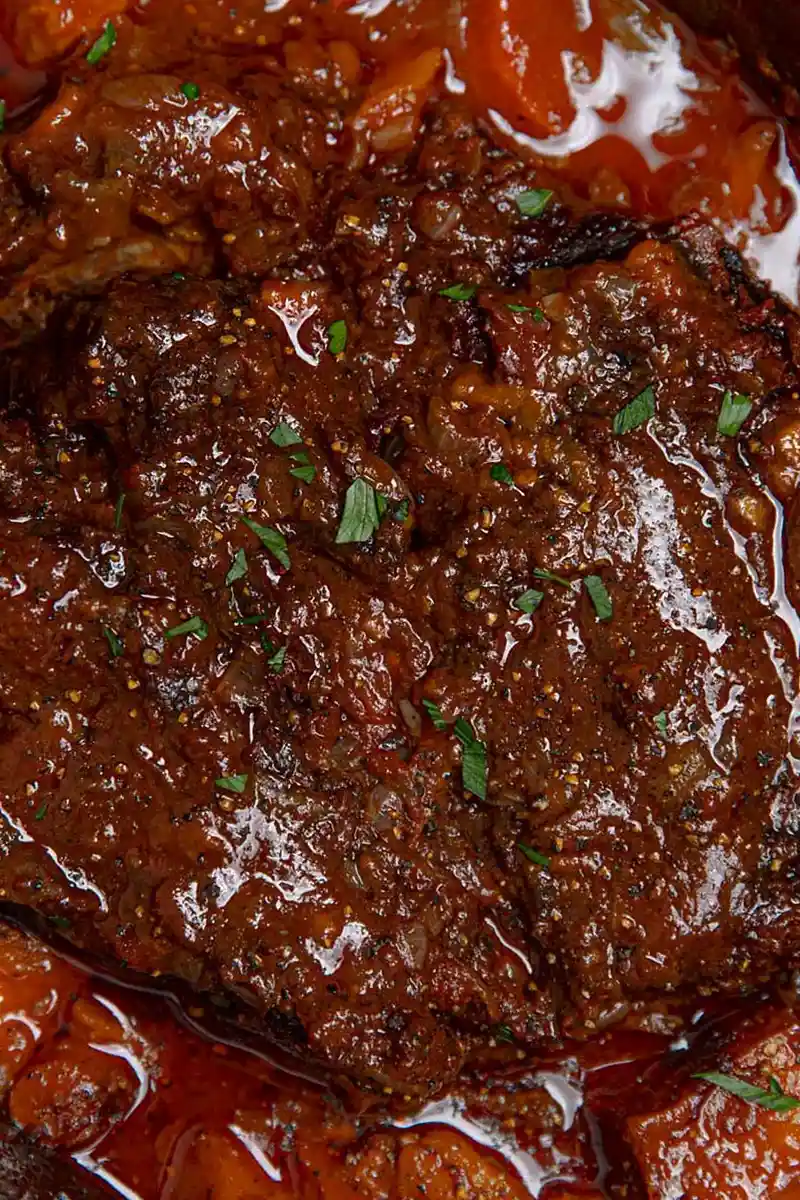
List of ingredients
- 1 tablespoon vegetable oil – used for searing the beef.
- 5 pound chuck roast, boneless – the primary protein for a tender result.
- 2 tablespoons flour – helps brown the meat and thicken the sauce.
- 1 teaspoon kosher salt – enhances all the spice flavors.
- 1/2 teaspoon coarse ground black pepper – provides a subtle heat.
- 2 medium sweet potatoes, peeled and cut into 2-inch chunks – adds sweetness and texture.
- 3 large carrots, peeled and cut into 2-inch chunks – provides earthy flavor and color.
- 1 large onion, chopped – forms the aromatic base.
- 3 cloves garlic, minced – adds pungent depth to the roast.
- 15 ounces tomato sauce – provides the body of the braising liquid.
- 1 large orange, juiced and zested – adds acidity and citrus notes.
- 2 tablespoons brown sugar, packed – balances the acidity of the tomato and orange.
- 2 teaspoons dried oregano – adds an earthy, herbal quality.
- 2 teaspoons ground cumin – brings a warm, smoky flavor.
- 1 teaspoon ground coriander – adds a citrusy, floral note.
- 1 teaspoon chili powder – provides mild heat and complexity.
- 1 teaspoon unsweetened cocoa powder – adds a deep, dark richness to the sauce.
- 1/2 teaspoon cinnamon – provides a warm, sweet aromatic finish.
step-by-step instructions
- Sear the Meat: Heat vegetable oil in a large dutch oven or a metal slow cooker insert over high heat. Coat the chuck roast in flour, salt, and pepper, then brown each side for 3-4 minutes.
- Prepare the Base: Place the chopped onions, minced garlic, carrot chunks, and sweet potato chunks into the bottom of the slow cooker.
- Position the Roast: Place the browned chuck roast directly on top of the vegetables.
- Create the Sauce: In the same dutch oven used for searing, combine tomato sauce, orange juice, brown sugar, oregano, cumin, coriander, chili powder, cocoa powder, and cinnamon. Whisk the mixture until all spices are fully integrated.
- Slow Cook: Pour the prepared sauce evenly over the roast. Cover and cook on low for 8 hours or on high for 5 hours.
- Final Touch: Garnish the finished roast with the fresh orange peel zest before serving.
Beef Selection and Preparation
Selecting the Best Chuck Roast
Choose a well-marbled boneless chuck roast for the best results. The fat and connective tissue in the shoulder area break down during slow cooking, which keeps the meat moist and tender. Avoid leaner cuts like round roast, as they can become dry during the long cooking process.
The Purpose of Searing the Beef
Browning the meat on high heat creates a caramelized crust through the Maillard reaction. This step is essential because it adds a layer of deep, savory flavor that cannot be achieved by slow cooking alone. Searing also helps the roast hold its shape better as it cooks.
Using Flour for Texture
Dredging the beef in flour before searing serves two purposes. First, it creates a better crust on the outside of the meat. Second, as the flour cooks and mixes with the braising liquid, it acts as a natural thickener for the final sauce.
Vegetable Management
Maintaining Vegetable Texture
Cutting the sweet potatoes and carrots into large 2-inch chunks prevents them from disintegrating. Since they cook for many hours, smaller pieces would turn into mush. The larger size ensures they remain intact while absorbing the flavors of the sauce.
Substituting Root Vegetables
If you prefer different vegetables, you can use Yukon Gold or russet potatoes instead of sweet potatoes. Parsnips or turnips also work well in this recipe. Be careful not to overfill the slow cooker, as this can lead to uneven cooking temperatures.
Adding Quick-Cooking Vegetables
If you wish to add bell peppers or peas, do so during the last 30 to 60 minutes of cooking. These vegetables cook much faster than carrots and potatoes. Adding them too early will result in an overcooked, soft texture.
Flavor and Spice Profiles
The Role of Unsweetened Cocoa Powder
The cocoa powder is not intended to make the roast taste like chocolate. Instead, it adds a bitter, earthy depth and a darker color to the gravy. This technique is common in many Latin and Caribbean-inspired stews to create a complex flavor profile.
Balancing Acidity with Orange
The orange juice and zest provide a bright acidity that cuts through the richness of the beef fat. This citrus element prevents the dish from feeling too heavy. The brown sugar works in tandem with the orange to create a sweet-and-sour balance.
Adjusting the Spice Levels
To reduce the intensity of the spice, you can decrease the amount of chili powder and cumin. For those who prefer a sweeter profile, increasing the brown sugar by one tablespoon can shift the flavor. Always taste the sauce before pouring it into the pot.
Using Fresh Versus Dried Herbs
Dried oregano is used here for its concentrated flavor, but you can substitute it with fresh oregano. Use a ratio of three parts fresh to one part dried. Fresh herbs added at the end of cooking can also brighten the overall dish.
Slow Cooker Optimization
Low vs High Heat Settings
Cooking on the low setting for 8 hours is generally preferred for tougher cuts of meat. The slower temperature rise allows the collagen to break down more effectively. The high setting is a faster alternative but may result in slightly less tender meat.
Managing Liquid Levels
The vegetables and meat will release their own juices as they cook. Avoid adding extra water or broth, as this can dilute the concentrated flavors of the Caribbean spice blend. The 15 ounces of tomato sauce and orange juice are sufficient for braising.
Identifying the Doneness
The roast is finished when it can be easily pulled apart with a fork. Use a meat thermometer to ensure it has reached a safe internal temperature of 145 degrees F, although the long cooking time usually ensures this. If the meat is still tough, cook it for another 30 to 60 minutes.
Oven-Based Alternatives
Using a Dutch Oven
You can replicate this recipe in a standard oven by using a heavy-bottomed Dutch oven. Preheat the oven to 325 degrees F and follow the same searing and assembly steps. The covered pot retains moisture similarly to a slow cooker.
Adjusting Oven Cooking Times
In the oven, the roast typically takes between 3 and 3.5 hours to become tender. Check the meat every hour to ensure the liquid has not evaporated. If the sauce thickens too quickly, add a small amount of beef broth.
Serving and Presentation
Plating the Roast
Slice the roast against the grain to ensure the most tender bite. Arrange the slices on a large platter and surround them with the cooked sweet potatoes and carrots. Spoon a generous amount of the pan sauce over the top.
Recommended Side Dishes
Since the roast includes vegetables, it is a complete meal, but it pairs well with coconut rice. Steamed cabbage or a crisp green salad with a lime vinaigrette can provide a refreshing contrast to the rich gravy.
Fresh Garnish Ideas
The orange zest is a required garnish for a hit of citrus aroma. You can also add chopped fresh cilantro or sliced green onions to add a pop of color and a fresh, peppery taste to the final presentation.
Storage and Food Safety
Refrigeration Guidelines
Allow the roast to cool to room temperature before transferring it to an airtight container. Do not leave the roast at room temperature for more than 2 hours to avoid bacterial growth. Store the beef and vegetables in the refrigerator for up to 3 days.
Freezing for Long Term
The pot roast can be frozen for up to 3 months. Use a freezer-safe bag or container and press out as much air as possible to prevent freezer burn. Ensure the sauce is included to keep the meat moist during the freezing process.
Safe Thawing Process
Thaw the frozen roast slowly in the refrigerator overnight. Avoid thawing it on the counter to keep the meat out of the temperature danger zone. Once thawed, reheat gently on the stove or in the oven.
Reheating Instructions
Stovetop Reheating
Place the roast and sauce in a skillet over medium-low heat. Add a splash of water or beef broth to loosen the sauce. Cover the pan and simmer until the meat is heated through.
Oven Reheating Method
Place the leftovers in a baking dish and cover tightly with aluminum foil. Heat at 325 degrees F for about 20 minutes. This method is best for larger portions to ensure even heating.
Microwave Reheating Tips
Cut the meat into smaller pieces and place them in a microwave-safe dish. Cover with a damp paper towel to trap steam and prevent the beef from drying out. Heat in short bursts, stirring in between.
Common Troubleshooting
Fixing a Thin Sauce
If the sauce is too thin after cooking, remove the meat and vegetables from the pot. Simmer the liquid in a saucepan on the stove to reduce it, or whisk in a small cornstarch slurry (cornstarch mixed with water) to thicken it quickly.
Addressing Tough Meat
If the meat is still tough after the recommended time, it likely needs more time for the connective tissue to break down. Return the roast to the slow cooker for another hour on high. Ensure there is enough liquid to prevent scorching.
Preventing Mushy Vegetables
If you find your vegetables are too soft, try placing them on top of the meat instead of underneath. The bottom of the slow cooker is the hottest area, which cooks the vegetables faster. Placing them on top reduces the direct heat exposure.
Frequently Asked Questions
When is Caribbean Pot Roast safe to eat?
Beef is safe to eat when it reaches an internal temperature of 145 degrees F. In a slow cooker over 8 hours, the meat will far exceed this temperature, ensuring it is safe for consumption.
What is the best way to sear the meat?
Use a heavy cast iron skillet or a Dutch oven to get a deep brown sear. Ensure the oil is shimmering hot before adding the beef to prevent sticking and to maximize the caramelization.
Can I use a different type of sugar?
Brown sugar is preferred for its molasses notes, but honey or maple syrup can be used as substitutes. Use an equal amount by volume, keeping in mind that liquid sweeteners may slightly alter the sauce consistency.
Print
Caribbean Style Slow Cooker Pot Roast
- Total Time: 8 hours 30 minutes
- Yield: 10 servings
- Diet: General
Description
This Slow Cooker Caribbean Pot Roast is a fantastic dish that combines the comforting flavors of a traditional pot roast with vibrant spices!
Ingredients
- 1 tablespoon vegetable oil
- 5 pound boneless chuck roast
- 2 tablespoons flour
- 1 teaspoon kosher salt
- 1/2 teaspoon coarse ground black pepper
- 2 medium sweet potatoes, peeled and cut into 2-inch chunks
- 3 large carrots, peeled and cut into 2-inch chunks
- 1 large onion, chopped
- 3 cloves garlic, minced
- 15 ounces tomato sauce
- 1 large orange, juiced and zested
- 2 tablespoons packed brown sugar
- 2 teaspoons dried oregano
- 2 teaspoons ground cumin
- 1 teaspoon ground coriander
- 1 teaspoon chili powder
- 1 teaspoon unsweetened cocoa powder
- 1/2 teaspoon cinnamon
Instructions
- Step: In a large dutch oven or a metal slow cooker insert add the vegetable oil on high heat.
- Step: Coat the chuck roast in flour, salt, and pepper and brown on both sides in the dutch oven, about 3-4 minutes on each side.
- Step: Add the sweet potatoes, carrots, onions, and garlic to the slow cooker.
- Step: Top with the chuck roast.
- Step: In the same dutch oven add in the tomato sauce, orange juice, brown sugar, oregano, cumin, coriander, chili powder, unsweetened cocoa powder, and cinnamon and whisk well until the spices are well combined.
- Step: Pour the sauce over the chuck roast and cook on low for 8 hours or on high heat for 5 hours.
- Step: Garnish with the orange peel zest before serving.
Notes
Browning the meat on all sides before placing it into the slow cooker lends to a richer flavor. For a Dutch Oven method: Preheat the oven to 325 degrees and cook for 3 – 3.5 hours until the beef is fork-tender.
- Prep Time: 30 minutes
- Cook Time: 8 hours
- Category: Dinner
- Method: Slow Cooker
- Cuisine: Caribbean
Nutrition
- Serving Size: 1 serving
- Calories: 513 kcal
- Sugar: 9 g
- Sodium: 663 mg
- Fat: 28 g
- Saturated Fat: 12 g
- Unsaturated Fat: 14 g
- Trans Fat: 2 g
- Carbohydrates: 22 g
- Fiber: 4 g
- Protein: 46 g
- Cholesterol: 156 mg