
This creamy slow cooker beef pasta provides a hearty, restaurant-quality meal with minimal preparation time. By using the slow cooker, the beef stew meat becomes incredibly tender and flavorful, soaking up a rich, herb-infused creamy sauce that coats your favorite pasta perfectly. It is an ideal dinner solution for busy weeknights when you want maximum flavor with very little active time in the kitchen.
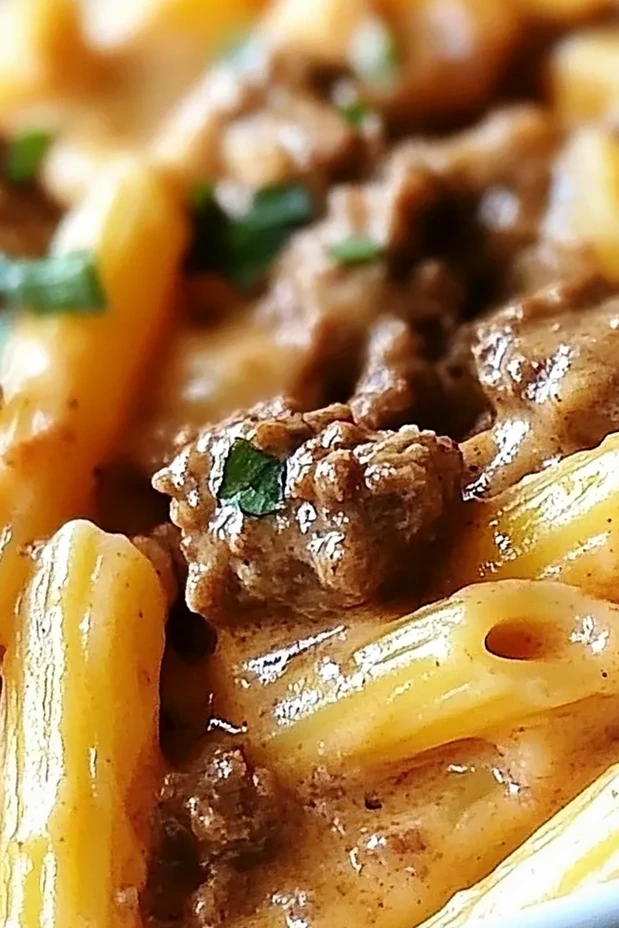
List of ingredients
- 1 pound beef stew meat, cut into bite-sized pieces
- 1 small onion, diced
- 4 cloves garlic, minced
- 1 can (10.5 oz) cream of mushroom soup
- 1 cup beef broth
- 1 cup heavy cream
- 1 teaspoon dried basil
- 1 teaspoon dried oregano
- Salt and pepper, to taste
- 8 ounces pasta (penne or your favorite shape)
- 1 cup grated Parmesan cheese
- Fresh parsley, chopped (optional, for garnish)
step-by-step instructions
- Step: Place the beef stew meat, diced onion, and minced garlic in the slow cooker.
- Step: In a bowl, whisk together the cream of mushroom soup, beef broth, heavy cream, dried basil, and dried oregano. Pour this mixture over the beef, onion, and garlic in the slow cooker, stirring to combine.
- Step: Cover and cook on low for 6-8 hours, or until the beef is fork-tender.
- Step: About 30 minutes before the beef is ready, cook the pasta according to package directions until al dente. Drain the pasta and set it aside.
- Step: Stir the cooked pasta into the slow cooker. Add the grated Parmesan cheese, salt, and pepper, mixing well.
- Step: Let the mixture cook for an additional 10-15 minutes to allow the flavors to meld.
- Step: Garnish with chopped parsley, if desired, and enjoy hot.
Practical Cooking Considerations
Achieving Even Beef Tenderness
To ensure all pieces of your beef stew meat reach the same level of tenderness, be careful to slice your beef into uniform pieces around one inch in diameter. Larger chunks will remain chewy while smaller ones might disintegrate during the long cooking duration. Maintaining consistency is the most reliable way to guarantee every spoonful is equally satisfying.
Managing Sauce Consistency Throughout Cooking
If you find that your sauce is becoming too thick during the final stages of cooking, you can stir in an extra splash of warm beef broth to loosen it up. Conversely, if you prefer a thicker coating, allow the lid to remain off for the final few minutes of the warming stage to encourage minor evaporation. Always adjust the liquid slowly to maintain that perfect silky coating on your pasta.
Substitutions for Kitchen Flexibility
Alternative Dairy Selections
If you do not have heavy cream on hand, you can use a combination of half-and-half mixed with a small amount of cornstarch to maintain the thickening property. For a dairy-free alternative, canned full-fat coconut milk works surprisingly well, though it will impart a subtle tropical flavor that complements the earthy herbs. Using evaporated milk is another viable option that provides a creamy texture without the high fat content of heavy cream.
Pasta Varieties for Optimal Texture
While penne or rotini are recommended due to their ability to capture sauce within their ridges, you can use almost any short-cut pasta such as farfalle or rigatoni. Avoid using long noodles like spaghetti or linguine if possible, as they are more prone to clumping together when stirred into a thick, slow-cooked sauce. If you prefer a healthier profile, whole-wheat pasta works well provided you monitor the boiling time closely to prevent over-softening.
Refining the Flavor Profile
Enhancing the Savory Base
For a deeper, more complex flavor, consider adding a tablespoon of Worcestershire sauce or a teaspoon of soy sauce during the mixing stage. These ingredients act as umami boosters that highlight the savory notes of the beef without making the sauce taste salty. You might also add a small amount of tomato paste if you desire a slightly richer color and a subtle tang that cuts through the creaminess.
Fresh Herb Integration
While the recipe relies on dried herbs for the initial cooking phase, finishing the dish with fresh herbs can brighten the entire meal. Fresh thyme or a sprinkle of fresh basil added right before serving provides a clean, vibrant contrast to the heavy, slow-cooked components. Stirring in fresh herbs at the very end ensures their volatile oils remain intact for the best possible aromatic experience.
Serving and Presentation Strategies
Complementary Side Dish Ideas
This dish is quite filling, so pairing it with lighter side dishes is usually the best approach. A crisp arugula salad with a lemon-based vinaigrette provides a peppery bite that cuts through the richness of the creamy sauce. Steamed green beans or roasted asparagus are also excellent choices that add a nutritious crunch to the plate.
Plating for Visual Appeal
When serving, use a large, shallow pasta bowl to allow the creamy sauce to pool beautifully around the beef and pasta. Drizzle a tiny amount of high-quality extra virgin olive oil over the top right before serving to add a glossy sheen to the dish. A final dusting of freshly grated black pepper provides a sharp visual and taste contrast to the cream-colored sauce.
Storage and Reheating Methods
Managing Leftover Cream-Based Sauces
When storing leftovers, try to keep the pasta and sauce in a single airtight container rather than multiple small ones to help retain moisture. The sauce will naturally thicken in the refrigerator as the pasta continues to absorb liquid, which is entirely normal. Label your container with the date so you can keep track of the three-day freshness window.
Reviving the Texture During Reheating
Reheating creamy dishes requires patience to prevent the sauce from breaking or separating. Heat the pasta over low heat on the stovetop with a splash of water or broth, stirring constantly to re-emulsify the sauce components. Avoid high heat in the microwave, which often leads to uneven heating and can cause the dairy to curdle or separate into oil and solids.
Frequently Asked Questions
Can I add vegetables to this slow cooker meal?
Yes, you can easily incorporate vegetables into this dish. Sliced baby carrots, frozen peas, or chopped bell peppers work well when added at the start of the cooking process. If using delicate vegetables like spinach, stir them in during the final 10 minutes of cooking so they just wilt without becoming mushy.
Why is my beef still tough after 6 hours?
If the beef is still tough, it usually means it has not reached the stage where its connective tissues have broken down. Simply continue cooking on low for another 30 to 60 minutes. Toughness can also occur if the lid was lifted too frequently, which allows the necessary heat to escape the slow cooker.
Is it possible to prepare this recipe ahead of time?
You can assemble the base of the sauce and beef in the slow cooker insert the night before and store it in the refrigerator. In the morning, simply place the insert into the slow cooker base and start the cooking cycle. Ensure you do not add the pasta until the final phase of cooking, regardless of when you prepare the meat.
Print
Creamy Slow Cooker Beef Pasta
- Total Time: 495 minutes
- Yield: 4 servings
- Diet: High Protein
Description
A comforting and creamy pasta dish with tender beef stew meat, this recipe is perfect for an easy, hands-off dinner. The slow cooker does most of the work, delivering a rich, savory sauce that clings to every piece of pasta.
Ingredients
- 1 pound beef stew meat, cut into bite-sized pieces
- 1 small onion, diced
- 4 cloves garlic, minced
- 1 can (10.5 oz) cream of mushroom soup
- 1 cup beef broth
- 1 cup heavy cream
- 1 teaspoon dried basil
- 1 teaspoon dried oregano
- Salt and pepper, to taste
- 8 ounces pasta (penne or your favorite shape)
- 1 cup grated Parmesan cheese
- Fresh parsley, chopped (optional, for garnish)
Instructions
- Step: Place the beef stew meat, diced onion, and minced garlic in the slow cooker.
- Step: In a bowl, whisk together the cream of mushroom soup, beef broth, heavy cream, dried basil, and dried oregano. Pour this mixture over the beef, onion, and garlic in the slow cooker, stirring to combine.
- Step: Cover and cook on low for 6-8 hours, or until the beef is fork-tender.
- Step: About 30 minutes before the beef is ready, cook the pasta according to package directions until al dente. Drain the pasta and set it aside.
- Step: Stir the cooked pasta into the slow cooker. Add the grated Parmesan cheese, salt, and pepper, mixing well.
- Step: Let the mixture cook for an additional 10-15 minutes to allow the flavors to meld.
- Step: Garnish with chopped parsley, if desired, and enjoy hot.
Notes
Adjust thickness: If the sauce seems too thick, add a bit more beef broth or heavy cream. For a twist, try adding shredded mozzarella along with the Parmesan. Leftovers can be stored in an airtight container in the fridge for up to 3 days. Recipe author: Lora Marie Bennett.
- Prep Time: 15 minutes
- Cook Time: 480 minutes
- Category: Dinner
- Method: Slow Cooker
- Cuisine: American
Nutrition
- Serving Size: 1 serving
- Calories: 580 kcal
- Sugar: 4 g
- Sodium: 850 mg
- Fat: 28 g
- Saturated Fat: 14 g
- Unsaturated Fat: 10 g
- Trans Fat: 0 g
- Carbohydrates: 45 g
- Fiber: 2 g
- Protein: 38 g
- Cholesterol: 120 mg