
This slow cooker beef and pepper steak is a hearty, savory meal that requires very little active preparation. It combines tender strips of beef with crisp bell peppers in a rich, ginger-soy glaze.
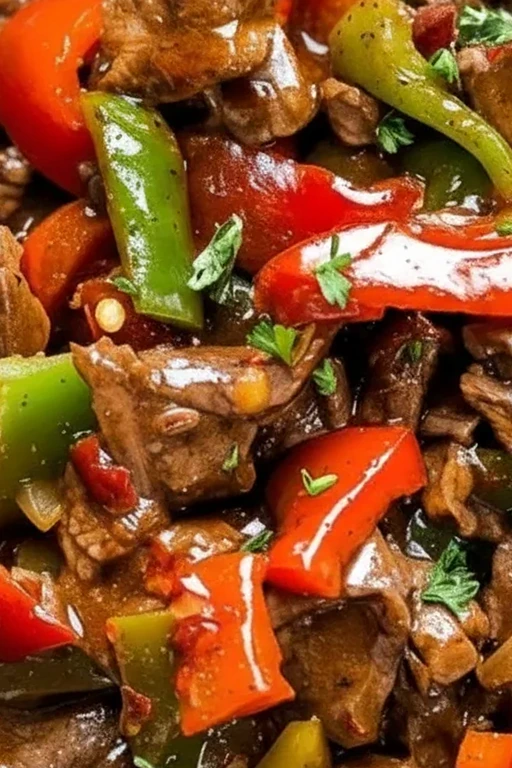
List of ingredients
- 2 lbs beef sirloin or flank steak – sliced thin against the grain for tenderness.
- 3 bell peppers, mixed colors – cut into 1/2-inch strips for visual appeal and crunch.
- 1 large onion – sliced into thin half-moons.
- 4 cloves garlic – finely minced.
- 14.5 oz canned diced tomatoes – drained thoroughly to prevent a watery sauce.
- 1/2 cup beef broth – provides the savory liquid base.
- 1/4 cup soy sauce – naturally brewed preferred for deeper umami flavor.
- 2 tbsp brown sugar – packed, used to balance the saltiness.
- 2 tbsp Worcestershire sauce – adds complexity and tang.
- 1 tbsp fresh ginger – grated for a bright, zesty note.
- 2 tbsp cornstarch – mixed with 2 tbsp cold water for the thickening slurry.
- Salt and pepper – used to taste for basic seasoning.
- 2 cups white rice, uncooked – jasmine or brown rice are excellent choices.
- Green onions – thinly sliced for a fresh garnish.
step-by-step instructions
- Prepare the Beef: Let the beef sit at room temperature for 10 minutes, then place it in the freezer for 15 minutes to firm up. Slice the meat against the grain into thin strips about 1/4-inch thick, trim any excess fat, and season lightly with salt and pepper.
- Cut the Vegetables: Remove the seeds and ribs from the bell peppers and slice them into 1/2-inch strips. Peel and halve the onion, then slice it into thin half-moons. Mince the garlic cloves finely.
- Whisk the Sauce: In a medium bowl, combine the beef broth, soy sauce, brown sugar, Worcestershire sauce, grated ginger, and minced garlic. Whisk until the sugar is completely dissolved and adjust seasonings to your preference.
- Layer the Slow Cooker: Lightly grease the slow cooker insert. Place half of the onions on the bottom, followed by the beef strips, the remaining onions, bell pepper strips, and the drained diced tomatoes. Pour the sauce evenly over all the layers.
- Slow Cook: Cover the pot and cook on LOW for 6–8 hours or HIGH for 3–4 hours. Do not lift the lid during this process to maintain the internal temperature. The beef is ready when it is fork-tender.
- Thicken the Sauce: About 30 minutes before serving, mix cornstarch with 2 tablespoons of cold water to create a slurry. Stir the slurry into the crockpot and cook on HIGH for 20–30 minutes until the sauce reaches a glossy, gravy-like consistency.
- Final Assembly: Cook the rice according to package instructions and fluff with a fork. Divide the rice among bowls, top with the pepper steak and extra sauce, and garnish with sliced green onions. Serve immediately.
Beef Selection and Preparation
Choosing the Right Cut of Beef
Sirloin and flank steak are ideal because they have a balance of lean meat and connective tissue. When slow-cooked, the collagen breaks down into gelatin, resulting in a melt-in-your-mouth texture. Avoid using very lean cuts like eye of round, which can become dry even in a slow cooker.
Slicing Against the Grain for Tenderness
Identifying the muscle fibers is crucial for a tender result. Cut perpendicular to these fibers, which shortens the muscle strands and makes the meat easier to chew. Slicing with the grain results in long, stringy pieces that feel tough.
Utilizing the Partial Freezing Method
Placing the meat in the freezer for 15 to 20 minutes firms up the fats and proteins. This makes it much easier to achieve precise, thin 1/4-inch slices without the meat sliding on the cutting board. This technique ensures consistent cooking times for every piece of beef.
Vegetable Management
Maintaining Pepper Texture
Bell peppers can become mushy if overcooked, but the layering method helps protect them. By placing them toward the top of the pot, they steam rather than boil. If you prefer a very crisp texture, you can add the peppers during the last two hours of cooking.
Cutting Uniform Vegetable Sizes
Slicing onions into half-moons and peppers into 1/2-inch strips ensures they cook at the same rate. Uniform sizes prevent some pieces from disintegrating while others remain raw. This consistency also makes the dish easier to scoop and serve.
Proper Garlic Preparation
Mincing the garlic finely allows the flavor to distribute evenly throughout the sauce. Using a garlic press is a quick alternative that releases the essential oils for a stronger aroma. Avoid using pre-minced jarred garlic, as it often lacks the pungent bite of fresh cloves.
Sauce Optimization
Balancing the Savory and Sweet Profile
The combination of soy sauce and brown sugar creates a classic sweet-and-salty glaze. If the sauce tastes too salty, add a small pinch more brown sugar. Conversely, if it is too sweet, a teaspoon of additional soy sauce or a splash of beef broth can balance the flavor.
Using Fresh Versus Ground Ginger
Freshly grated ginger provides a bright, zingy heat that cuts through the richness of the beef. While ground ginger is a convenient substitute, it has a more muted, woody flavor. Use a microplane or fine grater for the best results with fresh ginger root.
Adjusting Sodium Levels for Dietary Needs
To reduce the salt content, substitute regular soy sauce with a low-sodium version or coconut aminos. You can also use a low-sodium beef broth. Since the Worcestershire sauce also contains salt, be cautious when adding extra salt during the initial seasoning step.
Slow Cooker Techniques
Preventing Heat Loss During Cooking
Every time the lid is lifted, a significant amount of heat escapes from the pot. This can add 20 to 30 minutes to the total cooking time and potentially undercook the meat. Trust the timer and avoid peeking until the final thickening stage.
The Logic of Ingredient Layering
Placing onions at the bottom creates a protective barrier that prevents the beef from scorching against the heat source. This layering ensures that the vegetables on top steam in the aromatic vapors. The drained tomatoes sit on top to slowly release their acidity into the sauce.
Managing Low and High Heat Settings
The LOW setting is generally preferred for tougher cuts of meat as it allows connective tissues to break down slowly. The HIGH setting is faster but can sometimes cause the outer edges of the meat to toughen. Use HIGH only if you are on a tight schedule.
Thickening the Gravy
Creating a Lump-Free Cornstarch Slurry
Cornstarch must be dissolved in cold water before being added to the hot pot. Adding dry cornstarch directly into the sauce will cause it to clump into small, inedible balls. Stir the slurry vigorously until it is completely smooth before pouring it in.
Timing the Thicken Process
The slurry should be added in the final 30 minutes of cooking. Adding it too early can lead to a sauce that becomes overly thick or develops a gummy texture. The HIGH setting for the final stretch ensures the starch granules gelatinize properly.
Alternative Thickening Agents
If you avoid cornstarch, arrowroot powder or tapioca starch are effective 1:1 substitutes. For a gluten-free option, ensure the soy sauce is replaced with tamari. You can also thicken the sauce by removing the lid and simmering on HIGH for an extra hour to reduce the liquid.
Serving and Pairing Ideas
Selecting the Best Rice Variety
Long-grain white rice or jasmine rice provides a neutral base and fluffy texture that absorbs the sauce well. Brown rice adds a nutty flavor and more fiber, though it requires a longer cooking time. Cauliflower rice is a great low-carb alternative that still holds the gravy.
Low-Carb and Grain-Free Alternatives
Instead of rice, serve the pepper steak in large butter lettuce leaves for a fresh, crunchy wrap. Steamed cabbage or sautéed zucchini noodles also work well to soak up the savory sauce. These options reduce the overall carbohydrate count of the meal.
Complementary Side Vegetables
Steamed broccoli or bok choy adds a vibrant green color and extra nutrition to the plate. Sautéed snap peas or baby corn can be stirred in at the very end for added texture. These vegetables complement the Asian-inspired flavors of the soy-ginger sauce.
Storage and Reheating
Refrigerator Storage and Shelf Life
Store the leftovers in an airtight glass or plastic container in the refrigerator for up to four days. The flavors often intensify overnight, making the second-day portions even tastier. Keep the rice in a separate container to prevent it from absorbing all the sauce.
Freezing for Long-Term Use
This dish freezes well for up to three months if stored in freezer-safe bags or containers. Portion out the meat and sauce, but avoid freezing the cooked rice, as it often becomes grainy. Thaw the beef overnight in the refrigerator before reheating.
Best Practices for Reheating
When reheating on the stovetop, add a splash of beef broth to loosen the sauce, which may have thickened in the fridge. In the microwave, cover the dish with a damp paper towel to keep the beef moist. Heat on medium power to avoid overcooking the meat strips.
Customizing the Recipe
Adding Spicy Heat
For those who prefer a kick, stir in a teaspoon of red pepper flakes or a tablespoon of sriracha at the end. Sliced jalapeños added during the layering stage provide a more integrated heat. Chili garlic sauce is another excellent addition for a deeper, spicy flavor.
Incorporating Additional Vegetables
Sliced mushrooms, water chestnuts, or bamboo shoots can be added for a more diverse texture. These vegetables should be added during the last two hours of cooking to prevent them from becoming too soft. Mushrooms, in particular, add a rich, earthy depth to the sauce.
Sweet and Savory Fruit Additions
Adding a cup of pineapple chunks during the last hour of cooking creates a tropical, sweet-and-sour profile. Mandarin orange segments can also be added just before serving. These fruity elements contrast beautifully with the salty soy and savory beef.
Troubleshooting Common Issues
Solving the Problem of Tough Meat
If the beef remains tough, it is likely because it was sliced with the grain or didn’t cook long enough. Ensure the meat is cooked until it easily pulls apart with a fork. If it is still tough after the allotted time, continue cooking on LOW for another hour.
Fixing a Watery Sauce
A watery sauce usually occurs if the diced tomatoes weren’t drained or if the cornstarch slurry was insufficient. To fix this, increase the heat to HIGH and leave the lid off for 30-60 minutes to allow evaporation. You can also add a second, smaller batch of cornstarch slurry.
Preventing Overcooked Vegetables
If your peppers consistently turn out too soft, move them to the very top of the layering sequence. Alternatively, sauté them separately in a pan and stir them in just before serving. This ensures they maintain their vibrant color and a slight snap.
Frequently Asked Questions
Can I use a different cut of beef?
Yes, you can use chuck roast or round steak. Chuck roast is especially effective for slow cooking because its high fat and collagen content make it incredibly tender over long periods.
Can I make this recipe in an Instant Pot?
Absolutely. Sauté the beef first, then add all ingredients except the cornstarch. Pressure cook on HIGH for 25 minutes with a natural release, then stir in the slurry using the sauté function to thicken.
How do I prevent the peppers from getting mushy?
Place the peppers on the top layer of the slow cooker or add them during the final 2-3 hours of the cooking cycle. This reduces their exposure to the intense heat at the bottom of the pot.
Can I make this without cornstarch?
Yes, you can skip the cornstarch for a thinner sauce. If you want it thicker without cornstarch, simmer the sauce on the stovetop after cooking to reduce the liquid naturally.
Print
Slow Cooker Beef and Pepper Steak
- Total Time: 6 hours 15 minutes
- Yield: 6 servings
- Diet: General
Description
This Crockpot Pepper Steak transforms simple, affordable ingredients into a restaurant-quality meal with minimal effort. Just 15 minutes of prep in the morning yields tender beef strips slow-cooked in a savory-sweet soy-ginger sauce with colorful bell peppers and onions — a complete, crowd-pleasing dinner that practically makes itself.
Ingredients
- 2 lbs beef sirloin or flank steak, sliced thin against the grain
- 3 bell peppers, mixed colors, cut into 1/2-inch strips
- 1 large onion, sliced into thin half-moons
- 4 cloves garlic, minced
- 14.5 oz canned diced tomatoes, drained
- 1/2 cup beef broth
- 1/4 cup soy sauce
- 2 tbsp brown sugar, packed
- 2 tbsp Worcestershire sauce
- 1 tbsp fresh ginger, grated
- 2 tbsp cornstarch mixed with 2 tbsp cold water for slurry
- salt and pepper, to taste
- 2 cups white rice, uncooked
- green onions, thinly sliced, for garnish
Instructions
- Prepare Beef: Let beef sit at room temperature for 10 minutes, then freeze for 15 minutes to firm up. Slice against the grain into thin strips about 1/4-inch thick, trim excess fat, and season lightly with salt and pepper.
- Slice Vegetables: Remove seeds and ribs from bell peppers and slice into 1/2-inch strips. Peel and halve the onion, then slice into thin half-moons. Mince the garlic finely.
- Mix Sauce: In a bowl, whisk together beef broth, soy sauce, brown sugar, Worcestershire sauce, grated ginger, and minced garlic until the sugar dissolves completely.
- Layer Crockpot: Lightly grease the slow cooker insert, then layer in this order: half the onions on the bottom, beef strips, remaining onions, bell pepper strips, drained diced tomatoes, and finally the sauce poured evenly over everything.
- Cook: Cover and cook on LOW for 6–8 hours or HIGH for 3–4 hours without lifting the lid.
- Thicken Sauce: About 30 minutes before serving, mix cornstarch with 2 tablespoons cold water to make a slurry and stir it into the crockpot. Cook on HIGH for 20–30 minutes until the sauce reaches a gravy-like consistency.
- Serve: Cook rice according to package directions, fluff with a fork, and divide among bowls. Top with pepper steak and extra sauce, then garnish with sliced green onions.
Notes
Slice beef against the grain for maximum tenderness. Partial freezing the meat for 15-20 minutes helps achieve cleaner, thinner cuts. Ensure tomatoes are drained to prevent the sauce from becoming too watery. Use fresh ginger for a more vibrant flavor. Avoid lifting the lid during cooking to maintain temperature. For crunchier peppers, add them during the last 2-3 hours of cooking.
- Prep Time: 15 minutes
- Cook Time: 6 hours
- Category: Main Course
- Method: Slow Cooking
- Cuisine: Asian
Nutrition
- Serving Size: 1 serving
- Calories: 385 kcal
- Sugar: 10 g
- Sodium: 820 mg
- Fat: 18 g
- Saturated Fat: 6 g
- Unsaturated Fat: 12 g
- Trans Fat: 0 g
- Carbohydrates: 18 g
- Fiber: 3 g
- Protein: 36 g
- Cholesterol: 95 mg