
This practical guide explains how to prepare a tender, juicy beef roast using a slow cooker. By following these steps, you will achieve a melt-in-your-mouth texture with perfectly cooked root vegetables.
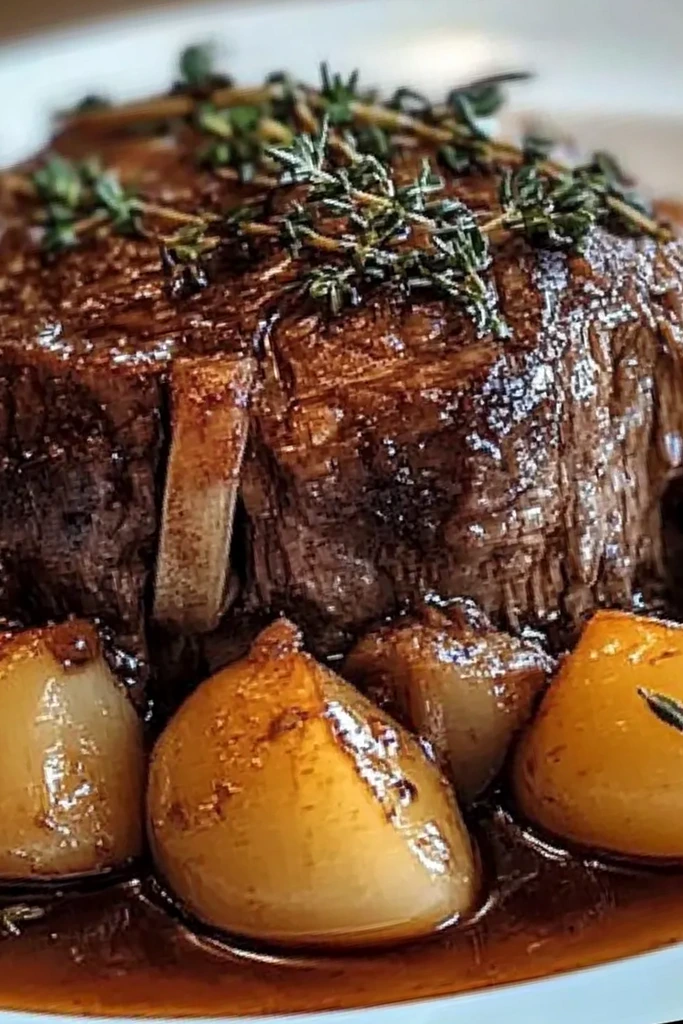
List of ingredients
- 3 to 4 pounds chuck roast – choose a well-marbled cut for maximum tenderness.
- 4 large carrots, chopped – cut into thick chunks to avoid overcooking.
- 3 medium potatoes, diced – waxy varieties like Yukon Gold hold their shape best.
- 1 large onion, chopped – provides a sweet and aromatic base.
- 4 cloves garlic, minced – adds a pungent, savory depth.
- 2 cups beef broth – use low-sodium to better control the salt level.
- 1 tablespoon Worcestershire sauce – enhances the savory umami profile of the beef.
- 1 teaspoon dried thyme – provides a subtle earthy flavor.
- 1 teaspoon dried rosemary – adds a classic piney aroma.
- 1 bay leaf – introduces a floral note that balances the richness.
- Salt and pepper to taste – used for basic seasoning across the meat.
- 2 tablespoons olive oil – necessary for searing the meat for flavor.
step-by-step instructions
- Sear the Roast: Heat olive oil in a skillet over medium-high heat. Sear the chuck roast on all sides until browned to enhance the depth of flavor.
- Prepare Vegetables: Chop the carrots, potatoes, and onions. Mince the garlic.
- Add Ingredients to the Crock Pot: Place the chopped vegetables at the bottom of the slow cooker. Lay the seared roast on top.
- Mix the Broth: In a bowl, combine beef broth, Worcestershire sauce, thyme, rosemary, salt, and pepper. Pour this mixture over the roast.
- Add the Bay Leaf: Place the bay leaf in the pot to add depth of flavor throughout the slow cooking process.
- Set the Slow Cooker: Cover the crock pot and set it to low for 8 hours or high for 4 hours, based on your schedule.
- Check for Tenderness: After the cooking time, check the roast. It should be fork-tender and easily pull apart with a fork.
- Remove and Rest: Carefully remove the roast and let it rest for about 10 minutes before slicing to retain juices.
- Thicken Gravy: Optionally, you can remove some broth and thicken it with cornstarch for a rich gravy.
- Serve: Slice the roast against the grain before serving for the most tender bite.
Meat Selection and Preparation
Choosing a Marbled Chuck Roast
Selecting a chuck roast with significant white fat marbling is crucial. This fat and connective tissue break down into gelatin during the slow cooking process. This transformation is what creates the signature tender texture.
The Importance of Searing
Searing the meat in a skillet before adding it to the slow cooker triggers the Maillard reaction. This process creates a caramelized brown crust on the exterior. It prevents the beef from tasting boiled and adds a rich, roasted flavor.
Trimming Excess Fat
While marbling is good, large outer clumps of hard fat should be trimmed. Remove only the thickest layers to ensure the meat remains moist. Keeping a small amount of fat helps flavor the vegetables below.
Vegetable Optimization
Selecting the Right Potatoes
Yukon Gold potatoes are recommended because they have a creamy texture but maintain their structure. Russet potatoes are starchier and may disintegrate during an 8-hour cook. Choosing the right variety ensures a visually appealing dish.
Cutting Vegetables Uniformly
Cut carrots and potatoes into consistent, large chunks. This ensures that all pieces cook at the same rate. If pieces are too small, they will turn to mush before the meat is done.
Adding Root Vegetable Alternatives
You can swap some carrots for parsnips or turnips for a different flavor profile. These vegetables handle long cook times similarly to carrots. They add a peppery or sweet complexity to the pot.
Flavor Enhancement Techniques
Using Fresh vs Dried Herbs
If you prefer fresh herbs, use a three-to-one ratio compared to dried. Fresh rosemary and thyme provide a brighter, more aromatic taste. Add them toward the end of the cooking process to preserve their essence.
Enhancing the Umami Profile
To deepen the savory taste, you can add a tablespoon of tomato paste to the broth mixture. This adds a concentrated richness and a slight acidity. It helps the sauce feel more full-bodied.
Adjusting Salt and Pepper
Season the roast generously before searing to ensure flavor penetrates the meat. Taste the broth at the end of the cooking time. Adjust the salt and pepper then to account for the reduction of the liquid.
Slow Cooker Management
Low Heat vs High Heat
Cooking on low for 8 hours is generally preferred for the best texture. The slower breakdown of collagen results in more tender meat. High heat is faster but can sometimes make the muscle fibers tighten.
Avoiding Overcooking
Check the meat with a fork to ensure it pulls apart easily. Overcooking can cause the meat to become dry and stringy despite the liquid. Stop the process once it reaches fork-tenderness.
Managing Liquid Levels
Ensure the meat is partially submerged but not completely covered in broth. This allows the top of the roast to steam and braise rather than boil. Too much liquid can dilute the flavor of the sauce.
Gravy and Sauce Preparation
Cornstarch Slurry Method
Create a slurry by mixing equal parts cornstarch and cold water. Stir this mixture into the hot cooking liquid after removing the meat. Heat it through until the sauce reaches a glossy, thick consistency.
Flour Roux Alternative
For a thicker, creamier gravy, melt butter in a pan and whisk in flour. Cook the roux for two minutes before slowly whisking in the pot roast juices. This method provides a more traditional, velvety sauce.
Reducing the Sauce
If you prefer a concentrated glaze, pour the broth into a wide skillet. Simmer it on high heat until the volume is reduced by half. This intensifies the flavors without adding thickening agents.
Serving and Pairing Suggestions
Plating for Presentation
Place the sliced beef on a large platter and surround it with the root vegetables. Pour the thickened gravy over the meat for a professional look. This arrangement makes the dish a centerpiece for family meals.
Complementary Side Dishes
Serve the roast with a crisp green salad tossed in a light vinaigrette. The acidity of the salad cuts through the richness of the beef. Steamed green beans or peas also add a fresh element to the plate.
Bread Pairings
A crusty baguette or warm sourdough bread is the ideal accompaniment. Use the bread to scoop up the remaining gravy and juices from the platter. This ensures that no part of the flavorful sauce is wasted.
Storage and Reheating
Refrigeration Guidelines
Store leftover roast and vegetables in an airtight glass container. Keep it in the refrigerator for up to 3 to 4 days. The flavors often meld and improve after a night in the fridge.
Freezer Instructions
Portion the leftovers into smaller, freezer-safe containers or bags. Remove as much air as possible to prevent freezer burn. These can be stored for up to 3 months.
Best Reheating Methods
Reheat the beef in a covered baking dish in the oven at 300 degrees Fahrenheit. Adding a splash of beef broth prevents the meat from drying out. Avoid high-power microwaving to maintain the tender texture.
Common Troubleshooting
Fixing Tough Meat
If the roast is still tough, it simply needs more time to break down the collagen. Return it to the slow cooker with a bit more broth. Cook for another 2 hours on low until tender.
Preventing Mushy Vegetables
To prevent vegetables from overcooking, add them 3 to 4 hours before the end of the cook time. This is especially helpful when using the low heat setting for 8 hours. This keeps the carrots and potatoes intact.
Correcting Bland Flavors
If the sauce tastes flat, stir in a teaspoon of apple cider vinegar or lemon juice. The acid brightens the heavy flavors and balances the fat. This is a quick way to lift the overall taste profile.
Frequently Asked Questions
Can I use a different cut of meat?
Yes, brisket or round roast can be used, although they are leaner. Brisket requires a similar slow-cooking time, while round roast may dry out faster. Adjust the liquid levels accordingly for leaner cuts.
How do I thicken the gravy?
The most efficient way is using a cornstarch slurry. Mix one tablespoon of cornstarch with one tablespoon of cold water and stir it into the simmering juices. Heat until the desired thickness is achieved.
What side dishes pair well with pot roast?
Mashed potatoes, roasted root vegetables, and fresh garden salads are excellent pairings. The creaminess of mashed potatoes complements the savory beef, while a salad provides a refreshing contrast.
Is it safe to leave the slow cooker unattended?
Yes, slow cookers are designed for unattended use over long periods. Ensure the unit is placed on a heat-resistant surface and the lid is securely closed. Always follow the manufacturer’s safety guidelines.
Can I make this without searing the meat?
You can, but you will lose the depth of flavor provided by the Maillard reaction. The meat will be tender, but the taste will be more similar to a stew. Searing is highly recommended for a traditional roast flavor.
How do I know when the roast is done?
The meat is done when it is fork-tender, meaning a fork slides in and out with no resistance. If you use a thermometer, aim for an internal temperature of 190 to 200 degrees Fahrenheit for shredding.
Print
Ultimate Slow Cooker Beef Pot Roast
- Total Time: 8 hours 15 minutes
- Yield: 6-8 servings
- Diet: General
Description
A comforting slow-cooked chuck roast with root vegetables and a rich, herb-infused broth that transforms tough cuts of meat into tender perfection.
Ingredients
- 3 to 4 pounds chuck roast
- 4 large carrots, chopped
- 3 medium potatoes, diced
- 1 large onion, chopped
- 4 cloves garlic, minced
- 2 cups beef broth
- 1 tablespoon Worcestershire sauce
- 1 teaspoon dried thyme
- 1 teaspoon dried rosemary
- 1 bay leaf
- Salt and pepper to taste
- 2 tablespoons olive oil
Instructions
- Sear the Roast: Heat olive oil in a skillet over medium-high heat. Sear the chuck roast on all sides until browned.
- Prepare Vegetables: Chop the carrots, potatoes, and onions. Mince the garlic.
- Add Ingredients to the Crock Pot: Place the chopped vegetables at the bottom of the slow cooker. Lay the seared roast on top.
- Mix the Broth: In a bowl, combine beef broth, Worcestershire sauce, thyme, rosemary, salt, and pepper. Pour this mixture over the roast.
- Add the Bay Leaf: Place the bay leaf in the pot.
- Set the Slow Cooker: Cover the crock pot and set it to low for 8 hours or high for 4 hours.
- Check for Tenderness: Ensure the roast is fork-tender and easily pulls apart.
- Remove and Rest: Carefully remove the roast and let it rest for about 10 minutes before slicing.
- Thicken Gravy: Optionally, remove some broth and thicken it with cornstarch for gravy.
- Serve: Slice the roast against the grain before serving.
Notes
For the best results, choose a well-marbled chuck roast to ensure the meat stays moist. Always allow the meat to rest before slicing to redistribute the juices.
- Prep Time: 15 minutes
- Cook Time: 8 hours
- Category: Dinner
- Method: Slow Cooking
- Cuisine: American
Nutrition
- Serving Size: 1 serving
- Calories: 450 kcal
- Sugar: 6 g
- Sodium: 820 mg
- Fat: 20 g
- Saturated Fat: 8 g
- Unsaturated Fat: 12 g
- Trans Fat: 0 g
- Carbohydrates: 25 g
- Fiber: 5 g
- Protein: 40 g
- Cholesterol: 120 mg