
These creamy slow cooker mashed potatoes offer a hands-off approach to a classic side dish. By utilizing a crockpot, you infuse the potatoes with savory broth and garlic throughout the cooking process for a rich flavor.
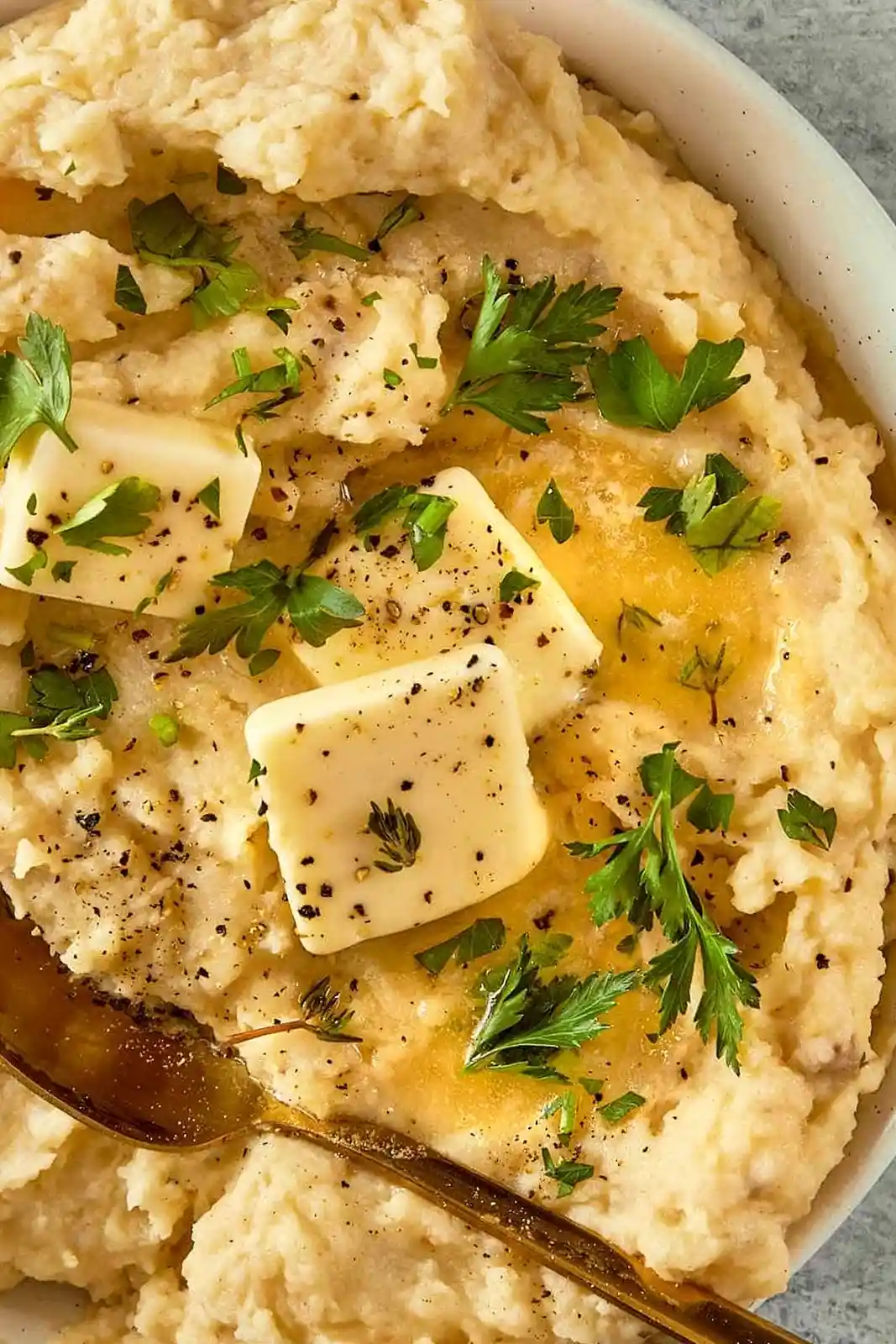
List of ingredients
- 5 pounds potatoes, peeled and cut into 1 1/2-inch pieces
- 1 cup chicken broth (stock) – provides a savory base
- 1/3 cup butter, diced – adds richness and flavor
- 4 cloves garlic, crushed or minced – provides aromatic depth
- 1 pinch salt – adjust to individual taste
- 2/3 cup sour cream – creates a tangy, creamy texture
- 1/3-1/2 cup hot milk – ensures a fluffy consistency
- 1/2 cup parmesan cheese, fresh grated (optional) – can be substituted with cheddar
- 1 pinch pepper – to taste
step-by-step instructions
- Prepare the slow cooker: Grease the insert of a 6-quart or larger slow cooker to prevent sticking. Add the potato chunks, chicken broth, diced butter, garlic, and salt.
- Cook: Cover the pot and cook on HIGH for 3-4 hours or LOW for 6-7 hours.
- Verify tenderness: Pierce a few potato pieces with a fork to ensure they slide off with zero resistance. If they are still firm, continue cooking for an additional 30 minutes.
- Add dairy: Do not drain the remaining liquid, as it contains essential starch. Pour the sour cream and hot milk directly into the pot with the potatoes.
- Mash: Use a hand masher or ricer to mash the potatoes inside the pot until the mixture is smooth and combined.
- Final Seasoning: Stir in the parmesan cheese. Taste and season with salt and pepper as needed, adding a splash of warm milk if the consistency is too thick. Garnish with fresh chives or parsley.
Selecting the Ideal Potato Variety
Choosing Yukon Gold for Creaminess
Yukon Gold potatoes are the best choice for this method because they have a naturally buttery flavor and a medium starch content. Their texture results in a velvety smooth mash that requires less fat to achieve a creamy consistency.
Using Russet Potatoes for Fluffiness
Russet potatoes are high in starch, which makes them ideal if you prefer a lighter, fluffier mashed potato. Because their skins are tougher, ensure they are completely peeled to avoid woody bits in the final dish.
Considering Red Potatoes for Texture
Red potatoes are waxy and hold their shape better than other varieties, making them less ideal for a smooth mash. They can become gluey if over-processed, so they are best used if you prefer a more rustic, chunky texture.
Utilizing Fingerling Potatoes for a Rustic Mash
Fingerling potatoes offer a unique, nutty flavor and can be used for a more specialized side dish. Since they are smaller, you may need to adjust the cutting size to ensure they do not overcook and disintegrate.
Understanding the Role of Key Ingredients
The Benefit of Using Chicken Broth
Cooking potatoes in chicken broth rather than water allows the vegetables to absorb savory flavors from the inside out. Broth provides a cleaner taste than heavy stock, keeping the potatoes bright and buttery.
The Importance of the Starch Slurry
The liquid remaining in the pot after cooking is a concentrated starch slurry. Retaining this liquid is critical because it acts as a natural thickener and emulsifier, creating a professional texture without needing excessive cream.
Using Sour Cream for Stability
Sour cream adds a subtle tang that balances the richness of the butter and parmesan. It also provides a thicker structure to the mash, preventing it from becoming too runny as it sits on the serving platter.
The Necessity of Hot Milk
Adding cold milk to hot potatoes causes the temperature to drop rapidly, which can shock the starch and lead to a gluey texture. Heating the milk first ensures it blends instantly and maintains the serving temperature.
Slow Cooker Optimization and Setup
Maintaining Proper Fill Levels
Ensure the slow cooker is no more than two-thirds full of ingredients. This prevents the pot from overflowing and allows the heat to circulate evenly, ensuring every potato chunk cooks at the same rate.
Adjusting Cooking Times for Pot Size
Different slow cooker brands may vary in heat intensity. Always test the center-most potatoes with a fork to ensure they are fully tender before mashing, regardless of the timer.
Greasing the Pot for Easy Cleanup
Using a small amount of butter or non-stick spray on the walls of the insert prevents starchy residue from baking onto the sides. This makes the pot significantly easier to clean after the mashing process.
Techniques for Maximum Smoothness
Using a Ricer to Eliminate Lumps
A ricer is the superior tool for removing lumps because it pushes the potatoes through small holes without over-working the starch. This results in a more consistent and airy texture compared to a standard masher.
Avoiding High-Speed Electric Mixers
Avoid using food processors or electric hand mixers for mashing. These tools shear the starch granules too aggressively, which releases too much amylopectin and turns the potatoes into a gummy paste.
Achieving Uniform Chunk Sizes
Cutting potatoes into consistent 1.5-inch pieces ensures that they all reach the same level of tenderness at the same time. This prevents a mixture of mushy pieces and hard lumps in the final result.
The Manual Mashing Process
Mashing by hand allows you to feel the texture of the potatoes and stop exactly when they are combined. This prevents the over-mixing that typically occurs with automated appliances.
Flavor Customization and Variations
Substituting Fresh Garlic with Roasted Garlic
For a deeper, caramelized flavor, replace the raw garlic with a whole head of roasted garlic. Squeeze the softened cloves into the pot during the mashing stage for a sweeter, more complex profile.
Incorporating Gourmet Cheeses
While parmesan is recommended, you can stir in sharp cheddar, Gruyère, or Gouda for a more decadent side. Add these cheeses at the very end so they melt gently into the hot potatoes without separating.
Adding Fresh Garden Herbs
Stirring in chopped thyme, rosemary, or sage during the last hour of cooking infuses the potatoes with an earthy aroma. For a brighter finish, fold in fresh parsley or chives just before serving.
Creating Loaded Mashed Potatoes
Transform the dish into a loaded version by topping the final mash with crispy bits of plant-based bacon, sliced green onions, and an extra dollop of sour cream. This adds contrasting textures and salty notes.
Storage and Preservation
Refrigerator Storage Guidelines
Store leftover mashed potatoes in an airtight container in the refrigerator for up to five days. Ensure the container is sealed tightly to prevent the potatoes from absorbing other odors from the fridge.
Freezing Considerations
Mashed potatoes can be frozen, though the texture may change slightly due to the dairy content. To freeze, let them cool completely and store in a freezer-safe bag for up to three months.
Preventing Oxidation
When storing, press a piece of parchment paper or plastic wrap directly onto the surface of the potatoes. This minimizes air exposure and prevents a brown skin from forming on the top.
Professional Reheating Methods
Microwave Reheating for Speed
Place the potatoes in a microwave-safe bowl and add a tablespoon of milk or butter. Heat in short bursts, stirring in between, to ensure the heat is distributed evenly and avoid hot spots.
Stovetop Reheating for Texture
Place the potatoes in a saucepan over low heat and add a splash of warm milk. Stir constantly to restore the creamy emulsion without scorching the bottom of the pan.
Oven Reheating for a Crust
Transfer the mash to a baking dish and top with a small amount of butter or cheese. Bake at 350 degrees Fahrenheit until heated through and the top is slightly golden brown.
Troubleshooting Common Issues
Fixing a Gummy Texture
If the potatoes become gummy, it is usually due to over-mixing. You can attempt to lighten the texture by folding in a bit more warm milk or a tablespoon of melted butter, but avoid further heavy stirring.
Correcting Lumpy Potatoes
Lumps occur when potatoes are mashed before they are fully tender. If you find lumps, you can use a ricer to push the mixture through or return the pot to the heat for another 30 minutes before re-mashing.
Adjusting for Excessive Saltiness
Because different chicken broths have varying sodium levels, the final result may be too salty. Stir in an extra tablespoon of sour cream or a bit more unsalted butter to neutralize the salt.
Resolving a Dry Consistency
If the mash feels too dry or stiff, it likely lacks enough fat or liquid. Slowly whisk in warm milk or a small amount of additional melted butter until the desired creaminess is reached.
Frequently Asked Questions
Can I make these mashed potatoes ahead of time?
Yes, you can prepare them fully and keep them on the warm setting of the slow cooker for up to 4 hours. This is an excellent way to time the side dish for a dinner party.
Can I double this recipe for a crowd?
You can double the recipe as long as you have a slow cooker large enough (usually 8 quarts or more). Be aware that doubling the volume may increase the cooking time by 30 to 60 minutes.
How long can mashed potatoes be left at room temperature?
According to food safety standards, mashed potatoes should not be left out for more than 2 hours. Use the warm setting on your crockpot if you need to keep them out longer.
Can I use vegetable broth instead of chicken broth?
Yes, vegetable broth is a suitable substitute and will provide a similar savory depth. Ensure the vegetable broth is low-sodium to maintain control over the final seasoning.
Print
Velvety Slow Cooker Mashed Potatoes
- Total Time: 4 hours 15 minutes
- Yield: 8 servings
- Diet: General
Description
Creamy Slow Cooker Mashed Potatoes are incredibly easy to make! With a hint of garlic and parmesan cheese, this will become your favourite recipe!
Ingredients
- 5 pounds potatoes, peeled and cut into 1 1/2-inch pieces
- 1 cup chicken broth
- 1/3 cup butter, diced
- 4 cloves garlic, crushed or minced
- 1 pinch salt
- 2/3 cup sour cream
- 1/3–1/2 cup hot milk
- 1/2 cup parmesan cheese, fresh grated
- 1 pinch pepper
Instructions
- Step: Grease the insert of a 6-quart (or larger) slow cooker and add the potato chunks, chicken broth, butter, garlic, and salt.
- Step: Cover and cook on HIGH for 3-4 hours or LOW for 6-7 hours.
- Step: Check that potatoes are fork-tender; if they are still firm, cook for an additional 30 minutes.
- Step: Add the sour cream and hot milk directly into the pot with the potatoes and remaining liquid.
- Step: Using a hand masher or ricer, mash the potatoes inside the pot until smooth and combined.
- Step: Taste and season with salt and pepper as needed, garnish with fresh chives or parsley, and serve warm.
Notes
For best results, use Yukon Gold potatoes. Do not drain the liquid before mashing, as it contains essential starch and flavor. Avoid using an electric mixer or food processor to prevent the potatoes from becoming gluey.
- Prep Time: 15 minutes
- Cook Time: 4 hours
- Category: Side Dish
- Method: Slow Cooking
- Cuisine: American
Nutrition
- Serving Size: 1 serving
- Calories: 335 kcal
- Sugar: 3 g
- Sodium: 323 mg
- Fat: 10 g
- Saturated Fat: 6 g
- Unsaturated Fat: 3.5 g
- Trans Fat: 0.3 g
- Carbohydrates: 54 g
- Fiber: 6 g
- Protein: 9 g
- Cholesterol: 28 mg