
This recipe offers a convenient way to enjoy a takeout classic with a tender texture and bold glaze. By utilizing a slow cooker, the chicken remains juicy while absorbing the sweet and tangy flavors of the sauce.
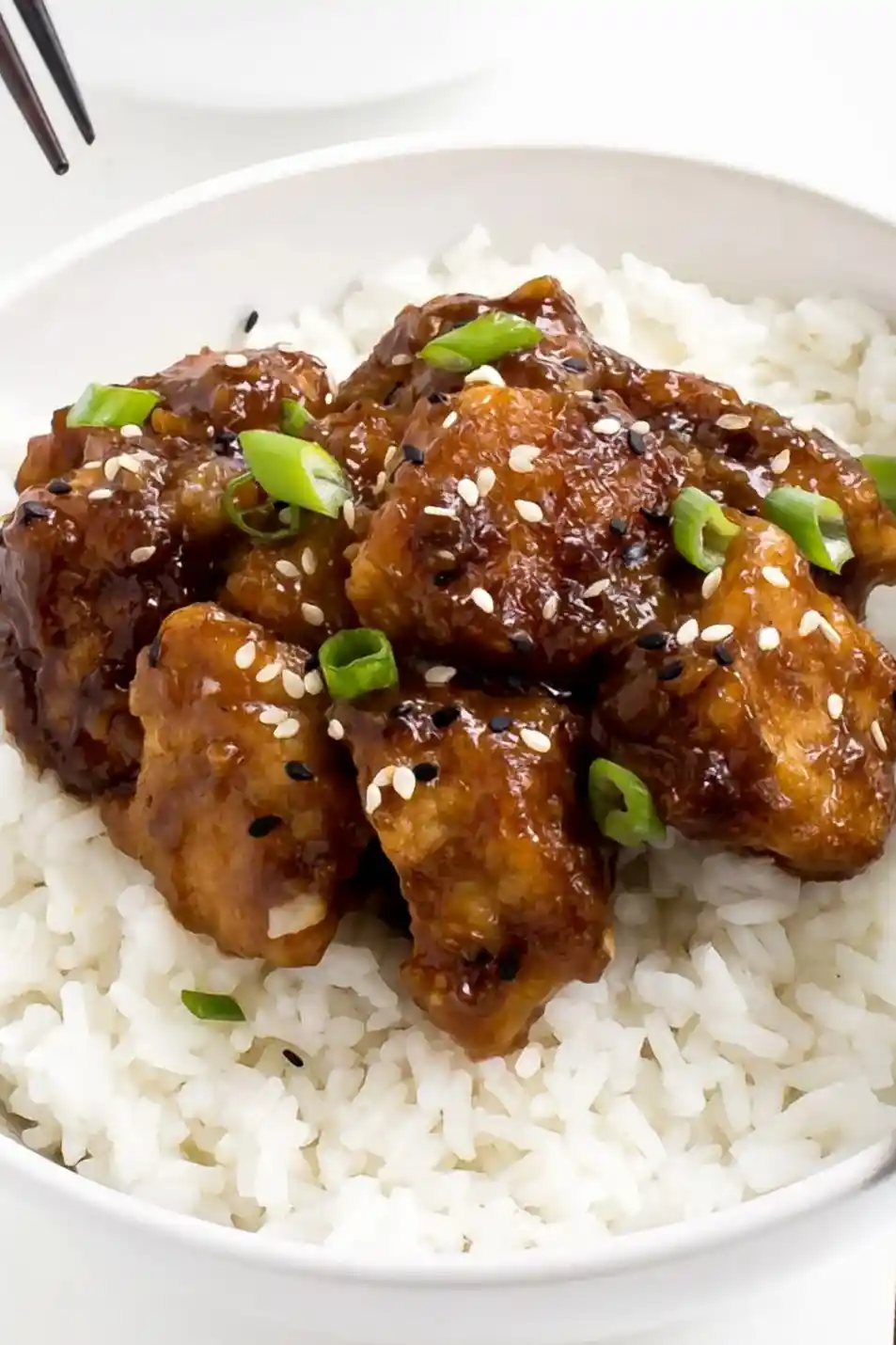
List of ingredients
- 3 chicken breasts, cut into bite sized pieces – use fresh, boneless, skinless breasts for a lean base.
- 1/4 cup cornstarch – essential for coating the meat and thickening the final sauce.
- 2 tablespoons vegetable oil – used for searing the chicken to add depth of flavor.
- 1 cup hoisin sauce – provides the primary sweet and salty flavor profile.
- 4 tablespoons rice wine vinegar – adds necessary acidity to balance the sugar.
- 4 tablespoons light brown sugar – creates the characteristic sticky glaze.
- 2 teaspoons sesame oil – contributes a toasted, nutty aroma to the dish.
- Green onions – thinly sliced for a fresh, sharp garnish.
- Sesame seeds – added at the end for visual appeal and a slight crunch.
step-by-step instructions
- Coat the chicken: Combine the diced chicken pieces and cornstarch in a large ziplock bag. Toss the contents thoroughly until every piece of chicken is evenly coated in starch.
- Sear the meat: Heat the vegetable oil in a large skillet or wok over medium-high heat. Sauté the chicken pieces for approximately 2 minutes per side until golden brown; the chicken does not need to be fully cooked at this stage. Transfer the browned chicken into the slow cooker.
- Mix the sauce: In a medium-sized bowl, whisk together the hoisin sauce, rice wine vinegar, brown sugar, and sesame oil until the sugar is dissolved and the mixture is smooth. Pour the sauce over the chicken in the slow cooker and stir to ensure all pieces are well coated.
- Slow cook: Cover the slow cooker and cook on the low setting for 2 to 3 hours. Ensure the chicken reaches an internal temperature of 165 degrees Fahrenheit before serving.
- Garnish and serve: Spoon the chicken and sauce into bowls. Sprinkle with sliced green onions and sesame seeds as desired.
Optimizing Texture and Flavor
Achieving the Perfect Sear
Searing the chicken before adding it to the slow cooker is critical for flavor development. This process creates a Maillard reaction, which adds a savory, caramelized crust that prevents the meat from tasting boiled. Avoid overcrowding the pan, as too much meat will release moisture and cause the chicken to steam rather than brown.
Controlling Sauce Thickness
The cornstarch used during the searing process helps thicken the sauce as it cooks in the slow cooker. If you prefer a thicker glaze, ensure the cornstarch coating is thorough before searing. If the sauce remains too thin after cooking, you can whisk a small amount of cornstarch with water and stir it into the pot during the final 30 minutes of cooking.
Monitoring Meat Tenderness
Chicken breasts can dry out if cooked for too long, even in a slow cooker. Start checking the internal temperature at the two-hour mark to ensure the meat remains juicy. Using a digital meat thermometer is the most accurate way to verify that the chicken has reached 165 degrees without overcooking it.
Alternative Ingredient Options
Using Chicken Thighs
For a richer taste and more moisture, replace the chicken breasts with boneless, skinless chicken thighs. Thighs have a higher fat content, which makes them more resilient to the slow cooking process. You may need to increase the cooking time by 30 to 60 minutes depending on the size of the chunks.
Substituting Meat with Tofu
To make this dish vegetarian, use extra-firm tofu that has been pressed to remove excess water. Cut the tofu into cubes, coat them in cornstarch, and sear them in oil until golden brown on all sides. Reduce the slow cooking time to 1 to 2 hours, as tofu does not require the same cooking time as raw meat.
Adding Fresh Vegetables
You can incorporate vegetables like broccoli florets, sliced carrots, or snap peas for added nutrition. Add hard vegetables like carrots at the beginning of the slow cooking process. Add softer vegetables like broccoli or snap peas during the last 45 minutes of cooking to prevent them from becoming mushy.
Replacing Brown Sugar with Honey
If you prefer a different sweetness, you can substitute the light brown sugar with honey or maple syrup. Honey provides a thicker consistency and a distinct floral sweetness. Be aware that honey can burn more easily, so keep a close eye on the sauce if you choose to reduce it further in a pan.
Customizing the Flavor Profile
Introducing Spicy Heat
This base recipe is mild, but you can easily add heat to match a restaurant-style experience. Stir in a teaspoon of crushed red pepper flakes or a tablespoon of Sriracha during the sauce-mixing step. For a more complex heat, add a small amount of chili garlic sauce or minced fresh Thai chilies.
Adjusting the Acidity
If the sauce tastes too sweet, increase the amount of rice wine vinegar by one tablespoon. The acidity cuts through the sugar and hoisin, creating a more balanced flavor. A squeeze of fresh lime juice added just before serving can also brighten the overall taste of the dish.
Enhancing the Nutty Aroma
While sesame oil is included in the sauce, adding a small drizzle of fresh toasted sesame oil right before serving enhances the aroma. This provides a fresh, nutty scent that is often lost during the long slow cooking process. Use it sparingly, as the flavor is very potent.
Serving and Pairing Suggestions
Selecting the Ideal Rice
Jasmine rice is the traditional choice due to its aromatic scent and slightly sticky texture, which holds the sauce well. For a nuttier flavor, try brown rice or wild rice. For those seeking a low-carb option, cauliflower rice is an excellent substitute that absorbs the sauce without adding significant calories.
Pairing with Asian Noodles
This chicken pairs well with Lo Mein or Chow Mein noodles. Toss the noodles in a light mixture of soy sauce, sesame oil, and garlic before serving the chicken on top. The contrast between the chewy noodles and the tender chicken creates a satisfying meal.
Including Steamed Greens
To balance the richness of the hoisin glaze, serve the dish with a side of steamed bok choy or garlic-sauteed spinach. The bitterness of the greens cuts through the sweetness of the sauce. Steaming them separately and adding them to the plate prevents them from overcooking in the slow cooker.
Adding a Crunchy Element
Complement the tender chicken by adding toasted cashews or sliced almonds to the final dish. This adds a textural contrast that mimics the deep-fried nature of traditional General Tso’s chicken. You can toast the nuts in a dry pan for two minutes for maximum flavor.
Storage and Reheating Guidelines
Refrigeration Best Practices
Store any leftover chicken and sauce in an airtight glass or plastic container. Keep it in the main body of the refrigerator, avoiding the door where temperature fluctuations are more common. The dish will remain fresh and safe to eat for up to four days.
Freezing for Long-Term Use
This recipe freezes well for up to three months. Use freezer-safe bags or airtight containers, ensuring there is minimal air left in the package to prevent freezer burn. Thaw the chicken completely in the refrigerator overnight before reheating to ensure even heating.
Restoring the Glaze during Reheating
The best way to reheat this dish is in a skillet over medium-high heat. Add a splash of water or chicken broth to loosen the sauce and stir frequently until the glaze becomes glossy again. This method prevents the chicken from becoming rubbery, which can happen in a microwave.
Using the Microwave for Quick Warming
If using a microwave, place the chicken in a microwave-safe dish and cover it with a damp paper towel. Heat in 30-second intervals, stirring in between, to avoid hot spots. Be careful not to overheat, as the sugar in the sauce can burn and the chicken can toughen quickly.
Troubleshooting Common Issues
Fixing a Thin Sauce
If the sauce is too watery after cooking, you can thicken it using a cornstarch slurry. Mix one teaspoon of cornstarch with one tablespoon of cold water, stir it into the slow cooker, and turn the heat to high for 15 to 20 minutes. Alternatively, transfer the sauce to a saucepan and simmer it on the stove until it reduces.
Preventing Meat from Shredding
If the chicken is falling apart or shredding, it is likely overcooked. To prevent this, strictly adhere to the 2-3 hour time limit on the low setting. Avoid using the high setting for this recipe, as the intense heat can break down the muscle fibers too quickly, leading to a shredded texture.
Correcting an Overly Sweet Glaze
If the sauce tastes too sweet for your preference, add a small amount of soy sauce or a teaspoon of apple cider vinegar. These ingredients introduce salt and acid, which neutralize the dominance of the brown sugar and hoisin. Stir the correction in and let it simmer for a few minutes to integrate.
Frequently Asked Questions
Can I make this in an Instant Pot?
Yes, you can use a pressure cooker. After searing the chicken in the saute function, add the sauce and cook on high pressure for 8 to 10 minutes. Perform a natural pressure release for 5 minutes before opening the lid and stirring in any final garnishes.
Is the cornstarch coating necessary?
The cornstarch serves two purposes: it protects the chicken during the searing process and it thickens the sauce during the slow cooking phase. Skipping it will result in a thinner sauce and a less caramelized exterior on the meat.
Can I use honey instead of brown sugar?
Yes, honey is a suitable replacement for brown sugar. It will provide a similar sweetness and sticky texture, although the flavor will be slightly more floral. Use an equal amount of honey as you would brown sugar.
How do I stop the chicken from sticking?
Ensure your skillet or wok is properly heated before adding the oil and chicken. Use a non-stick pan or a well-seasoned cast iron skillet. Do not stir the chicken too frequently; let it sit for 2 minutes to develop a crust, which will naturally release it from the pan.
Print
Slow Cooker General Tso’s Chicken
- Total Time: 3 hours 15 minutes
- Yield: 4 servings
- Diet: General
Description
Super Easy Slow Cooker General Tso’s Chicken. Way better (and healthier) than takeout!
Ingredients
- 3 chicken breasts (cut into bite sized pieces)
- 1/4 cup cornstarch
- 2 tablespoons vegetable oil
- 1 cup hoisin sauce
- 4 tablespoons rice wine vinegar
- 4 tablespoons light brown sugar
- 2 teaspoons sesame oil
- green onions for serving (if desired)
- sesame seeds for serving (if desired)
Instructions
- Coat: Add chicken and cornstarch to a large ziplock bag. Toss to coat the chicken with the cornstarch.
- Brown: Heat oil in a large skillet or wok. Saute chicken until golden brown on both sides about 2 minutes on each side. (Note the chicken will not be fully cooked and that is ok) Add the chicken to the slow cooker.
- Mix: Add hoisin sauce, vinegar, sugar and sesame oil to a medium bowl and whisk until combined. Pour the sauce onto the chicken and stir to coat the chicken.
- Cook: Cook on low for 2-3 hours.
- Serve: Serve with green onions and sesame seeds for serving, if desired.
Notes
Browning the coated chicken in a hot pan before adding to the slow cooker adds extra depth of flavor and helps the chicken stay tender and juicy.
- Prep Time: 15 minutes
- Cook Time: 3 hours
- Category: Main Course
- Method: Slow Cooker
- Cuisine: Chinese
Nutrition
- Serving Size: 1 serving
- Calories: 501 kcal
- Sugar: 30 g
- Sodium: 1311 mg
- Fat: 16 g
- Saturated Fat: 7 g
- Unsaturated Fat: 9 g
- Trans Fat: 0 g
- Carbohydrates: 49 g
- Fiber: 2 g
- Protein: 38 g
- Cholesterol: 111 mg