
This hearty casserole combines tender beef, creamy potatoes, and sharp cheddar cheese for a satisfying meal. It is designed for the slow cooker to ensure deep flavor development with minimal active effort.
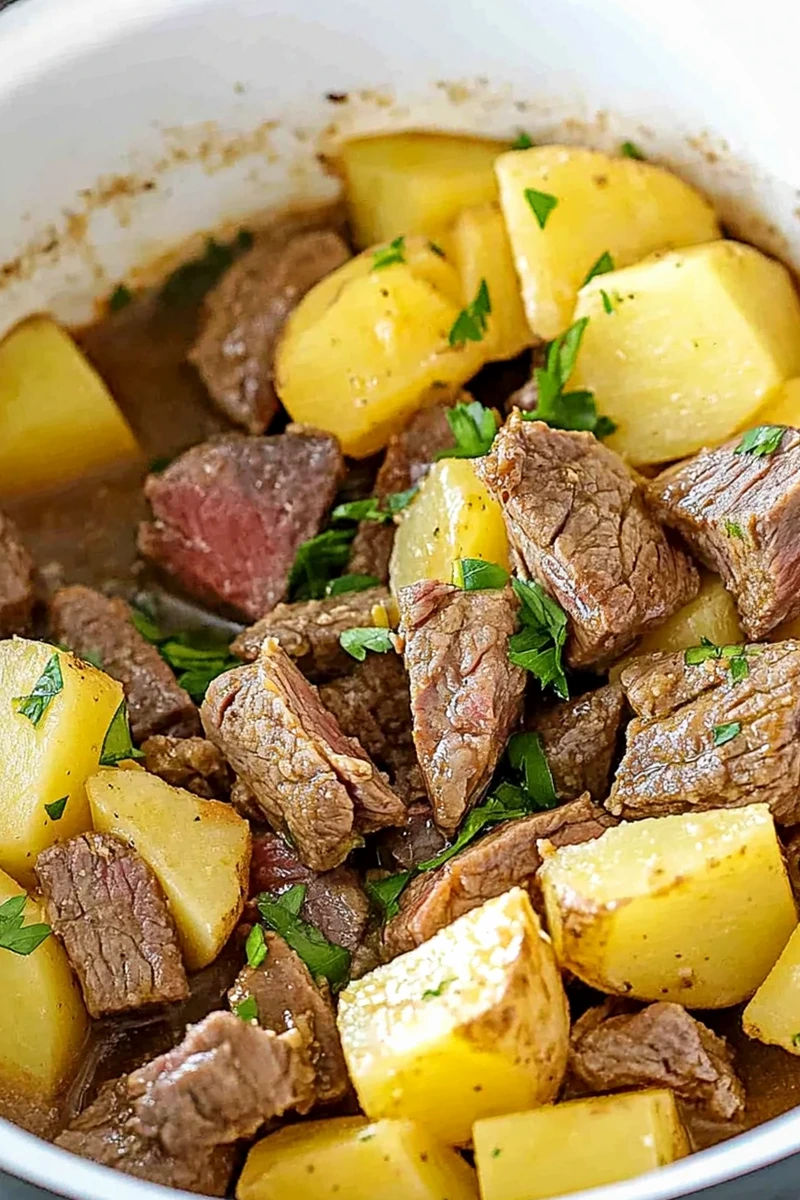
List of ingredients
- 1 ½ lbs sirloin or ribeye steak, cubed – use tender cuts for best results.
- 4 large Russet or Yukon Gold potatoes, thinly sliced – ensure slices are uniform.
- 2 cups sharp cheddar cheese, freshly grated – provides better melt than pre-shredded.
- 1 cup heavy cream – creates a rich and velvety sauce.
- 1 cup beef broth – adds a savory base and moisture.
- 1 medium onion, finely diced – provides a subtle sweetness.
- 2 cloves garlic, minced – enhances the aromatic profile.
- 2 tbsp butter – used for searing the steak.
- Smoked paprika – adds a hint of woody depth.
- Black pepper – provides a mild spice.
- Salt – used to season each layer.
step-by-step instructions
- Sear the Beef: Melt butter in a skillet over medium-high heat. Add the cubed steak, season with salt, pepper, and smoked paprika, and sear until browned on all sides before removing from heat.
- First Layer: Place half of the thinly sliced potatoes at the bottom of your slow cooker. Top these with half of the diced onion and minced garlic.
- Middle Layer: Add the seared steak cubes on top of the onion and potato layer.
- Final Layer: Cover the steak with the remaining sliced potatoes, diced onion, and minced garlic.
- Add Liquids: Pour the beef broth and heavy cream evenly over the assembled layers. Sprinkle with additional salt and pepper if desired.
- Cheese Topping: Spread the freshly grated cheddar cheese evenly over the top of the casserole.
- Slow Cook: Cover and cook on low for 6-8 hours or on high for 3-4 hours until the potatoes are tender.
Optimizing Steak Selection and Preparation
Selecting the Best Steak Cut
Sirloin and ribeye are the best choices for this casserole because they possess enough marbling to stay tender. Leaner cuts may become dry during the long cooking process. Ensure the meat is at room temperature before searing to get an even brown.
Cutting Steak into Equal Sizes
Cut the beef into consistent 1-inch cubes to ensure every piece cooks at the same rate. Uneven pieces can result in some steak being overcooked while others remain tough. Use a sharp chef’s knife for clean cuts.
Searing Meat for Depth of Flavor
Searing the meat first creates a caramelized crust that adds a rich, savory dimension to the final dish. Do not crowd the skillet, as this can cause the meat to steam instead of brown. Work in batches if necessary to maintain high heat.
Potato and Cheese Optimization
Choosing the Right Potato Variety
Yukon Gold potatoes are ideal for a buttery texture and hold their shape well. Russet potatoes are also a great choice if you prefer a fluffier, more absorbent consistency. Avoid waxy red potatoes as they do not break down as creamily.
Precision Slicing for Even Cooking
Slice potatoes into thin, consistent rounds about 1/8 inch thick. This ensures that the center of the casserole cooks through at the same time as the edges. A mandoline slicer is a helpful tool for achieving this precision.
Freshly Grating Your Own Cheese
Grate the cheddar cheese manually from a block to avoid the cornstarch and anti-caking agents found in pre-shredded bags. Fresh cheese melts much more smoothly and creates a gooey, cohesive layer. Sharp cheddar provides the strongest flavor contrast to the cream.
Flavor Enhancements and Customization
Integrating Extra Vegetables
You can add sliced mushrooms or diced bell peppers to the onion and garlic layers for more nutrition. Carrots can also be added, though they should be sliced thinly to match the potato cooking time. These additions bring extra color and sweetness to the meal.
Adjusting the Seasoning Profile
Increase the smoked paprika if you prefer a stronger wood-fired taste. You can also add a pinch of dried thyme or rosemary to the steak during the searing process. Always taste the beef broth before adding it to ensure the salt level is balanced.
Exploring Different Cheese Options
While sharp cheddar is the standard, Monterey Jack or Gouda can be used for a milder flavor. You can mix two types of cheese for a more complex taste profile. Ensure any substitute has a high fat content to ensure proper melting.
Ideal Side Dish Pairings
Balancing with Green Vegetables
Steamed broccoli or sautéed spinach provides a fresh contrast to the richness of the steak and cheese. These greens add necessary nutrients and a pop of color to the plate. A light squeeze of lemon juice over the greens helps cut through the creaminess.
Complementary Bread Choices
Toasted garlic bread is a perfect companion for soaking up the leftover cream sauce. A crusty sourdough baguette also works well for a more rustic presentation. Warm the bread just before serving to keep it crisp.
Adding a Tangy Element
A crisp Caesar salad or a vinegar-based coleslaw provides an acidic balance to the heavy fats in the casserole. The crunch of fresh romaine or cabbage offsets the soft texture of the potatoes. This prevents the meal from feeling too heavy.
Slow Cooker Settings and Logic
Managing Low vs High Settings
Cooking on low for 6-8 hours allows the collagen in the steak to break down more slowly, resulting in a more tender texture. High heat for 3-4 hours is a faster alternative but may leave the meat slightly firmer. Always use a lid that fits tightly to prevent moisture loss.
Avoiding Overfilling the Pot
Ensure the ingredients do not reach the very top of the slow cooker rim. Leaving about an inch of space prevents the cream sauce from bubbling over. Overfilling can also lead to uneven heat distribution in the center.
Ensuring Even Heat Distribution
Layering the potatoes on the bottom and top protects the meat from direct heat source contact. This sandwich method ensures the liquids circulate evenly throughout the dish. Avoid stirring the casserole during the cooking process to maintain the layers.
Storage and Food Safety
Proper Refrigeration Guidelines
Allow the casserole to cool for about 30 minutes before transferring it to an airtight container. Store it in the refrigerator at or below 40°F to prevent bacterial growth. The dish will remain fresh and safe to eat for 3 to 4 days.
Freezer-Safe Preservation Methods
Transfer cooled portions into heavy-duty freezer bags or vacuum-sealed containers. Squeeze out as much air as possible to prevent freezer burn. This casserole can be stored in the freezer for up to 3 months.
Cooling Before Storing
Never place a hot slow cooker pot directly into the refrigerator. This can raise the internal temperature of your fridge and endanger other foods. Transfer the contents to shallower containers to speed up the cooling process.
Reheating Guide for Best Results
Oven Method for Texture
Preheat your oven to 350°F and place the casserole in an oven-safe dish. Cover with foil to retain moisture and heat for 20-30 minutes. This method best preserves the melted quality of the cheese.
Microwave Convenience
Place individual portions in a microwave-safe bowl and heat on high for 1-2 minutes. Stir halfway through to ensure there are no cold spots. Add a teaspoon of water or broth to prevent the potatoes from drying out.
Stovetop Simmering
Add a splash of beef broth to a skillet over medium heat. Add the casserole portions and stir gently until heated through. This is a great way to slightly crisp the edges of the potatoes.
Troubleshooting Common Issues
Fixing Watery Consistency
If the sauce is too thin, it may be due to excess moisture from the potatoes. You can thicken it by simmering the sauce in a pan or adding a small amount of cornstarch slurry. Ensure potatoes are patted dry after slicing.
Managing Tough Meat
Tough meat usually results from using a lean cut or cooking on high heat for too short a time. Stick to ribeye or sirloin and prefer the low heat setting. Ensure the meat is cubed uniformly to avoid overcooking some pieces.
Preventing Burnt Cheese
If the cheese browns too quickly, you can cover the top with a piece of parchment paper. Alternatively, add the cheese during the last 30 minutes of cooking. This ensures the cheese is melted without becoming hard or charred.
Meal Planning and Timing
Preparing Ingredients in Advance
You can dice the onions, mince the garlic, and slice the potatoes up to 24 hours in advance. Store the sliced potatoes in cold water to prevent browning. Keep them in an airtight container in the fridge.
The Searing Timeline
Searing the steak can be done the night before and stored in the refrigerator. When you assemble the casserole, the meat will warm through during the slow cooking process. This reduces the active prep time on the day of serving.
Optimizing Your Morning Routine
Assemble the casserole the night before and keep it refrigerated. In the morning, simply turn on the slow cooker to the low setting. This allows you to have a hot meal ready exactly when you return home.
Frequently Asked Questions
Can I use different cheese for the Slow Cooker Steak and Cheddar Potato Casserole?
Yes, you can use Monterey Jack, Gouda, or Swiss for a different flavor. However, sharp cheddar is recommended for its strong taste and excellent melting properties.
What type of potatoes work best for this casserole?
Russet or Yukon Gold potatoes are the best choices. They provide a creamy texture that complements the heavy cream and beef broth.
How can I customize my Slow Cooker Steak and Cheddar Potato Casserole?
You can add diced carrots, mushrooms, or bell peppers for more nutrition. Adjusting the amount of smoked paprika can also change the flavor profile to be more or less smoky.
How do I know when my casserole is done cooking?
The casserole is ready when the potatoes can be easily pierced with a fork. The cheese on top should be fully melted and bubbly.
Can I make this recipe ahead of time?
Yes, you can prep the ingredients and store them separately. You can also assemble the layers in the slow cooker and refrigerate it before starting the cooking cycle.
Print
Slow Cooker Steak and Cheddar Potato Casserole
- Total Time: 7 hours 20 minutes
- Yield: 6 servings
- Diet: General
Description
Indulge in the rich, comforting experience of Slow Cooker Steak and Cheddar Potato Casserole. This dish combines tender, cubed steak with layers of creamy cheddar cheese and perfectly sliced potatoes, creating a hearty meal that’s perfect for family dinners or gatherings.
Ingredients
- 1 ½ lbs sirloin or ribeye steak, cubed
- 4 large Russet or Yukon Gold potatoes, thinly sliced
- 2 cups sharp cheddar cheese, freshly grated
- 1 cup heavy cream
- 1 cup beef broth
- 1 medium onion, finely diced
- 2 cloves garlic, minced
- 2 tbsp butter
- 1 tsp smoked paprika
- ½ tsp black pepper
- 1 tsp salt
Instructions
- Sear the Steak: In a skillet over medium-high heat, melt butter. Add cubed steak seasoned with salt, pepper, and smoked paprika. Sear until browned on all sides. Remove from heat.
- Layer the Ingredients: In your slow cooker, layer half of the sliced potatoes followed by half of the diced onion and minced garlic. Add the seared steak on top and finish with the remaining potatoes, onion, and garlic.
- Add Liquids: Pour beef broth and heavy cream evenly over the layers; sprinkle additional salt and pepper if desired.
- Cheese it Up: Top with freshly grated cheddar cheese.
- Cook: Cover and cook on low for 6-8 hours or high for 3-4 hours until potatoes are tender.
Notes
Use tender cuts like sirloin or ribeye for the best flavor. Freshly grated cheddar cheese melts better than pre-shredded varieties.
- Prep Time: 20 minutes
- Cook Time: 7 hours
- Category: Main Dish
- Method: Slow Cooker
- Cuisine: American
Nutrition
- Serving Size: 1 cup (240g)
- Calories: 470 kcal
- Sugar: 3 g
- Sodium: 800 mg
- Fat: 28 g
- Saturated Fat: 16 g
- Unsaturated Fat: 10 g
- Trans Fat: 0 g
- Carbohydrates: 36 g
- Fiber: 4 g
- Protein: 22 g
- Cholesterol: 80 mg