
Create a rich and flavorful peach filling perfect for pies, cobblers, and other baked desserts. This simple method works effectively whether you are using fresh, frozen, or canned peaches.
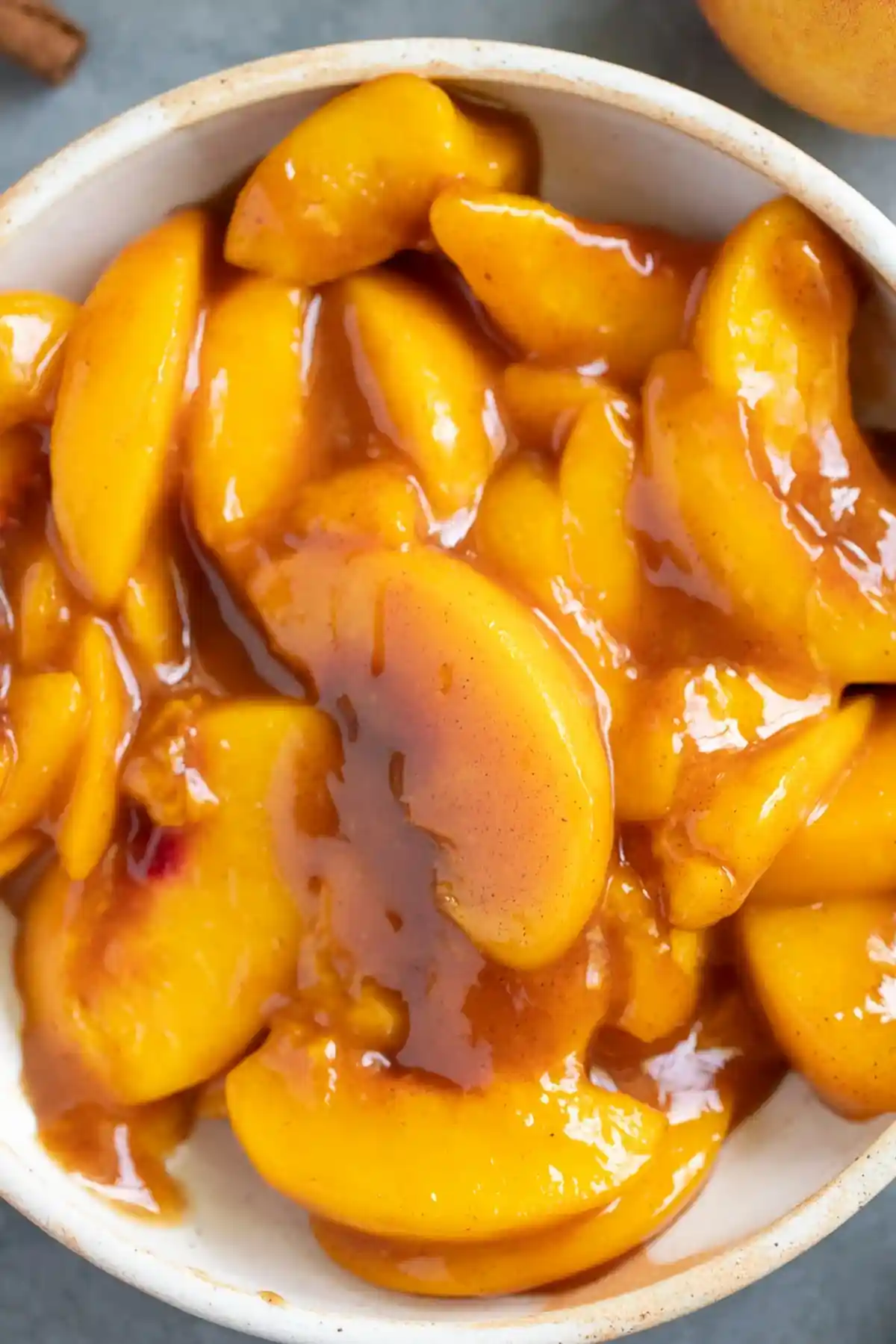
List of ingredients
- 4 cups peaches – frozen, fresh, or canned; if fresh, pit, peel, and slice.
- ½ cup light brown sugar – adds sweetness and a caramel note.
- 2 tablespoons cornstarch – used as the primary thickening agent.
- ½ tablespoon ground cinnamon – provides warmth and spice.
- 1 teaspoon vanilla essence – alcohol-free flavoring for aroma.
- ¼ teaspoon sea salt – balances the sweetness of the fruit.
step-by-step instructions
- Combine Ingredients: In a 2-quart sauce pan over medium-high heat, stir together the peaches, brown sugar, cornstarch, cinnamon, vanilla essence, and salt.
- Simmer and Thicken: When the mixture begins to simmer, reduce the heat to low. Cook while stirring occasionally for 15-25 minutes or until the mixture thickens to your desired consistency.
- Cool and Store: Allow the filling to cool completely to room temperature before placing it in the refrigerator. For best results, store in a large jar with a lid or an airtight container for up to 1 week.
Guidelines for Selecting and Preparing Peaches
Identifying Ripe Fresh Peaches
Choose peaches that yield slightly to gentle pressure when squeezed. They should feel soft but not mushy, indicating they are ripe enough for cooking. Avoid fruit that is rock hard, as it will lack the necessary sweetness and juice.
Accelerating the Ripening Process
If your peaches are too firm, place them in a brown paper bag at room temperature overnight. The bag traps the ethylene gas produced by the fruit, which speeds up the softening process. Check them every 12 hours to ensure they do not over-ripen.
Blanching Peaches for Easy Peeling
To remove skins quickly, score a small ‘X’ on the bottom of each peach. Drop them into boiling water for 30-60 seconds, then immediately transfer them to an ice bath. The skins will slip off easily without removing too much of the fruit flesh.
Using a Vegetable Peeler
For those who prefer a dry method, use a sharp Y-shaped vegetable peeler. Gently peel away the skin in long strips, following the curve of the fruit. This method is faster for firmer peaches but requires more care to avoid cutting into the fruit.
Differences Between Freestone and Clingstone Peaches
Freestone peaches are ideal for pie filling because the pit separates easily from the flesh. Clingstone peaches have flesh that adheres to the pit, requiring more effort to slice. Both types work well in this recipe as long as they are sliced uniformly.
Adjustments for Fruit Substitutions
Substituting with Frozen Peaches
Frozen peaches are a convenient option as they are often pre-sliced. When using frozen fruit, do not add any extra water or liquid to the pan. The peaches will release a significant amount of moisture as they thaw and cook, which is sufficient for the cornstarch to activate.
Preparing Canned Peaches
If using canned peaches, always drain the syrup or juice from the can before adding the fruit to the saucepan. Using the canned liquid can make the filling too runny and dilute the flavor of the brown sugar and cinnamon. Pat the peaches dry with a paper towel for better thickening.
Mixing Peaches with Other Fruits
You can combine peaches with other stone fruits or pomes for a complex flavor profile. Try adding sliced apples, cherries, or blueberries to the mixture. Maintain the same ratio of cornstarch and sugar per 4 cups of total fruit to ensure the consistency remains stable.
Using Different Types of Sugar
While light brown sugar provides a deep, molasses-like flavor, you can use granulated white sugar for a cleaner, brighter peach taste. You may also use a 50/50 blend of both. If using a sugar substitute, ensure it is heat-stable to prevent it from breaking down during the simmering process.
Thickening Techniques and Troubleshooting
Comparing Cornstarch to Other Thickeners
Cornstarch provides a glossy, translucent finish and a syrupy texture. If you prefer a more opaque look, you can use all-purpose flour, though you may need to increase the quantity slightly. Arrowroot or tapioca starch are also viable options for those seeking different textures or dietary needs.
Correcting a Runny Filling
If the filling remains too thin after 25 minutes of cooking, continue to simmer it on low heat for another 5-10 minutes. If it is still runny, mix one teaspoon of cornstarch with one teaspoon of cold water to create a slurry. Stir this slurry into the simmering filling and cook for two more minutes.
Thinning Out Over-thickened Filling
If the filling becomes too thick or paste-like, add water one tablespoon at a time. Stir constantly over low heat until the desired consistency is reached. Avoid adding too much liquid at once, as this can dilute the concentrated flavor of the cinnamon and vanilla.
Preventing Cornstarch Lumps
To avoid lumps, ensure the cornstarch is thoroughly stirred into the dry sugar and cinnamon before the peaches release their juices. Alternatively, you can whisk the cornstarch into the vanilla essence or a small amount of the peach juice before adding it to the main pot.
Creative Applications for Peach Filling
Baking a Traditional Double-Crust Pie
Pour the cooled filling into a chilled pie crust and cover with a top crust or a lattice weave. Bake at 400°F for the first 15 minutes to set the crust, then reduce to 375°F until the filling bubbles. Allow the pie to cool for at least 3 hours to let the filling set properly.
Creating a Peach Cobbler or Crisp
Spread the filling in a baking dish and top with a dropped biscuit dough for a cobbler or a butter-flour-oat mixture for a crisp. Bake until the topping is golden brown and the filling is bubbling around the edges. This is a great alternative for those who find pie crusts too time-consuming.
Making Individual Peach Hand Pies
Cut circles of pie dough and place a large spoonful of filling in the center. Fold the dough over and crimp the edges with a fork to seal the fruit inside. Brush the tops with an egg wash and bake at 375°F until golden for a portable dessert.
Serving as a Topping for Other Desserts
Warm the filling slightly and spoon it over vanilla ice cream, cheesecake, or pancakes. It also works well as a layer in a trifle with sponge cake and whipped cream. For a cold application, use it as a topping for Greek yogurt or cottage cheese.
Storage and Maintenance
Refrigeration Best Practices
Store the cooled filling in a glass jar or a BPA-free plastic container with a tight-fitting lid. Keep it in the main body of the refrigerator rather than the door to maintain a constant temperature. It will remain fresh and safe for consumption for up to 7 days.
Freezing for Long-term Use
Place the filling in freezer-safe containers or heavy-duty freezer bags, leaving about half an inch of headspace for expansion. This filling can be stored in the freezer for up to 4 months. Label the container with the date to ensure you use it within its peak quality window.
Proper Reheating Methods
To reheat refrigerated or thawed filling, place it in a small saucepan over medium heat. Stir occasionally to prevent the sugars from burning on the bottom. Heat only until warmed through; overcooking can cause the cornstarch to break down and the filling to become runny.
Understanding Shelf Stability
This recipe is designed for refrigeration and freezing, not for room-temperature storage. It is not shelf-stable and cannot be stored in a pantry. To make a shelf-stable version, you would need a specific canning recipe and a pressure canner to ensure safety.
Common Questions about Peach Filling
What is the best thickener for peach pie?
Cornstarch is generally the best choice because it creates a clear, syrupy glaze that doesn’t cloud the color of the peaches. It handles the high acidity of the fruit well and provides a consistent hold during the baking process.
Can I use canned peaches instead of fresh?
Yes, canned peaches work well as long as they are drained thoroughly. Fresh or frozen peaches are often preferred for a more natural texture and taste, but canned peaches are a reliable year-round alternative.
Do I really need to peel the peaches?
Peeling is optional but highly recommended for a smoother mouthfeel. The skins can sometimes become tough or papery during the cooking process, which may distract from the tenderness of the fruit.
Can I add other spices to the filling?
Yes, you can add a pinch of ground ginger, nutmeg, or cloves to enhance the warmth of the cinnamon. Start with small amounts, about 1/8 teaspoon per spice, to ensure they do not overpower the delicate flavor of the peaches.
How do I know when the filling is thick enough?
The filling is ready when it coats the back of a spoon and doesn’t immediately run off. When you lift the spoon, the filling should hold its shape for a moment before slowly sliding down.
Print
Homemade Peach Pie Filling
- Total Time: 30 minutes
- Yield: 8 servings
- Diet: Vegetarian
Description
This Peach Pie Filling recipe is so easy to make, and you can use fresh, frozen, or even canned peaches! Perfect for pies or other pastries.
Ingredients
- 4 cups peaches
- ½ cup light brown sugar
- 2 tablespoons cornstarch
- ½ tablespoon ground cinnamon
- 1 teaspoon vanilla essence
- ¼ teaspoon sea salt
Instructions
- Step: In a 2-quart sauce pan over medium-high heat, stir together peaches, brown sugar, cornstarch, cinnamon, vanilla essence, and salt.
- Step: When mixture begins to simmer, reduce heat to low and cook, stirring occasionally, for 15-25 minutes or until the mixture thickens up.
- Step: Cool the filling to room temperature before storing in the fridge.
Notes
Store in an airtight container in the fridge for up to 5 days or in the freezer for up to 3 months.
- Prep Time: 5 minutes
- Cook Time: 25 minutes
- Category: Dessert
- Method: Stovetop
- Cuisine: American
Nutrition
- Serving Size: 1/2 cup
- Calories: 95 kcal
- Sugar: 20 g
- Sodium: 87 mg
- Fat: 0.2 g
- Saturated Fat: 0.02 g
- Unsaturated Fat: 0.18 g
- Trans Fat: 0 g
- Carbohydrates: 24 g
- Fiber: 1 g
- Protein: 1 g
- Cholesterol: 0 mg